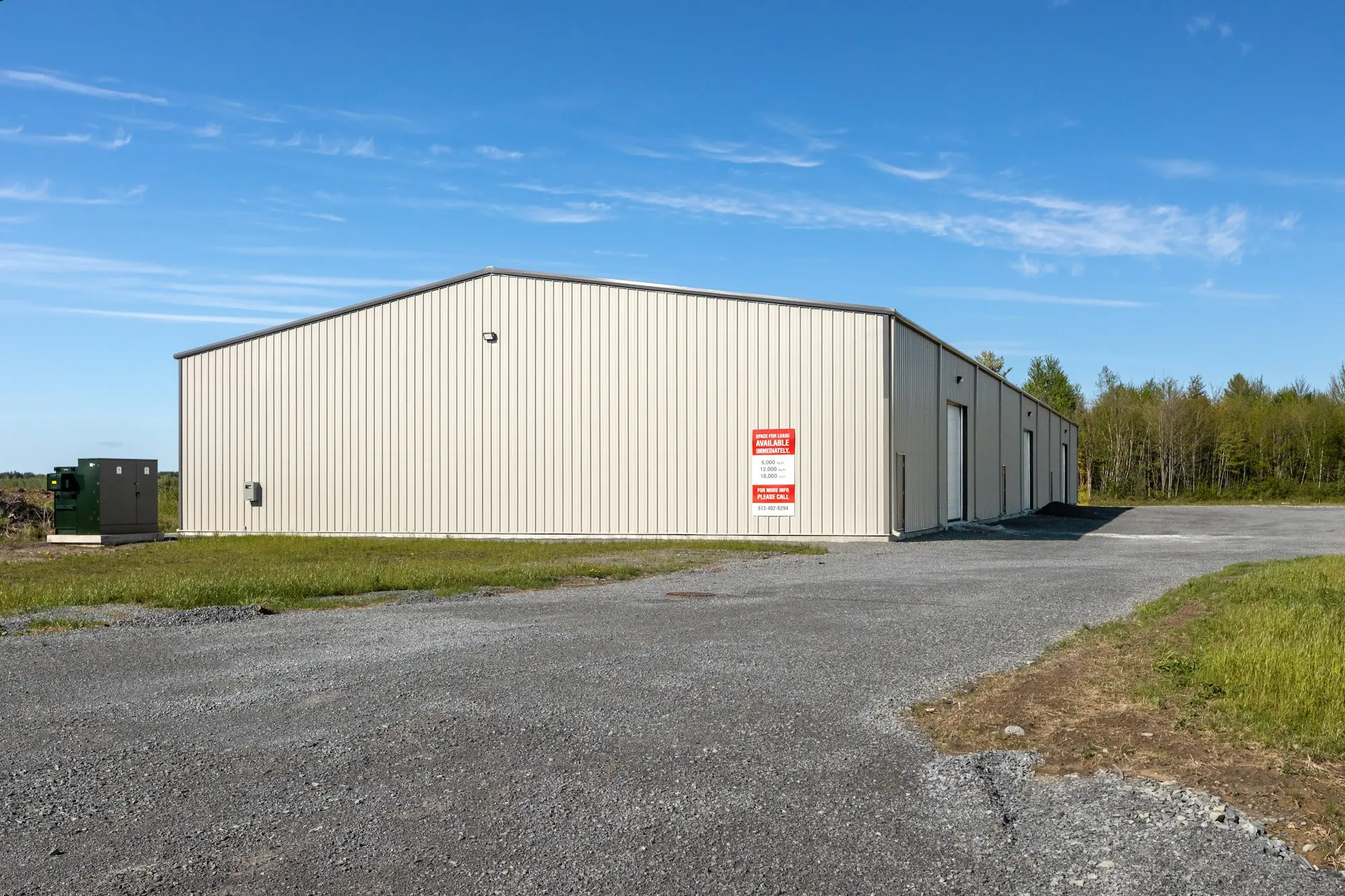
Quick answer
A commercial property loan finances the purchase or refinance of non-residential property such as a warehouse, shop, office or factory. Lenders look at what the property is worth, how easily it would sell, whether it's owner-occupied or leased to tenants, the strength of any leases, and the borrower's capacity to service the debt. Property-secured business loans range from $20k to $5m.
Key points
- Lenders treat owner-occupied premises and tenanted investments differently.
- Lease quality, tenant strength and property type all affect how much can be borrowed.
- GST, stamp duty and going-concern rules can change the cash you need at settlement.
- A commercial property can also be the security for other business borrowing.
- Loan size
- $20k – $5m (property-secured)
- Property types
- Industrial, retail, office, mixed use
- Uses
- Buy, refinance, release equity
- Credit history
- Bad credit considered case by case
A commercial property loan pays for, or refinances, a building your business works from or earns rent from: a warehouse, a strip shop, a suite of offices, a factory unit. It’s a different animal from a home loan. The lender is judging a property whose value depends heavily on who occupies it and on what terms, so the lease, the tenant and the type of building matter almost as much as the address.
What counts as commercial property to a lender?
Broadly, anything that isn’t a house or a residential unit. Lenders tend to sort it into groups, because each carries different resale risk:
- Industrial: warehouses, factory units, workshops, storage yards.
- Retail: shopfronts, strip shops, small shopping centres.
- Office: strata suites, standalone office buildings, medical suites.
- Mixed use: a shop with a flat above, a showroom with offices.
- Specialised: service stations, childcare centres, motels, cold stores. These can be harder to finance because fewer buyers want them if the lender ever needs to sell.
A generic industrial unit on a busy estate is usually the easiest to finance. The more specialised the building, the more cautious the lender.
Owner-occupied or investment: why does it matter?
The single biggest fork in a commercial property application is who will occupy the building.
| Owner-occupied | Investment (tenanted) | |
|---|---|---|
| Who pays the loan | Your trading business, from its profits | Mainly the tenant’s rent |
| What the lender studies | Your financials, BAS, bank statements | The lease: term remaining, rent, tenant quality, options |
| Common structure | Property held in a separate entity, leased to the business | Property held in a company, trust or SMSF |
| Main risk | Your business has a bad year | The tenant leaves or doesn’t renew |
Owner-occupiers sometimes get more flexibility because the lender can see the business has every reason to keep paying. Investors with a long lease to a strong tenant can be very attractive too. The weak spot is a property with a short lease, a struggling tenant or a vacancy, because the value and the income are both in question.
What do lenders ask for?
Expect to supply some combination of the following, depending on whether you’re buying, refinancing or releasing equity:
- The contract of sale, or rates notice and title details if you already own it.
- Leases, including rent, term remaining, options and outgoings recoveries.
- Business financials: the last two years’ tax returns, recent BAS and bank statements for an owner-occupier.
- A schedule of existing debts and the security behind them.
- ID and entity details: ABN, ACN, trust deed if relevant.
- An explanation of anything unusual: arrears, ATO debt, a past default. Lenders are far more comfortable with surprises they hear about first.
When you’re ready to see what’s achievable, start a quick enquiry about your premises. It takes about a minute.
Which taxes and costs catch buyers out?
Commercial purchases come with more moving parts than residential ones. Three to plan for:
GST. A sale of commercial premises is often taxable, meaning GST is added to the price. A sale of leased premises can be GST-free as a going concern, but only if the conditions are met, including that the buyer is registered or required to be registered for GST and both parties agree in writing that it’s a going concern. The ATO notes that “the sale of a property by itself” isn’t a going concern. If GST is payable, you’ll need to fund it at settlement and claim it back later, which can call for short-term funding of its own.
Stamp duty. Each state charges duty on property transfers. In NSW, the purchaser pays, by the earlier of settlement or three months after the contract. Duty is a cash cost on top of your deposit and is rarely included in the loan amount by mainstream lenders.
Selling later. If you’ll eventually sell, capital gains tax and the small business CGT concessions come into play. The ATO explains these on its selling commercial premises page, and the structure you buy in now affects what you can claim then.
What does a commercial property loan cost?
Pricing is set on the individual deal: the property type and location, how much you borrow against it, the lease or business behind the repayments, and your credit and tax history. A clean, well-leased industrial unit and a vacant specialised building won’t be priced the same way, and nor should they be.
The cost structure usually includes an establishment fee, ongoing interest (paid monthly, or sometimes prepaid or capitalised on short-term private facilities), the lender’s legal costs, and fees to register and later discharge the mortgage. Bank facilities are often reviewed periodically and may have covenants, such as minimum rental cover or annual financial reporting. Private lenders tend to be more flexible on paperwork and speed but run shorter terms, so they’re often used as a stepping stone to a bank facility.
Illustrative example: buying the building you rent
Illustrative example: a commercial joinery has leased the same 600-square-metre factory unit for eight years. The landlord decides to sell and offers it to the business first at $1.1m, GST-free as a going concern because the joinery’s lease transfers with it. The owners have $150k cash and a home with substantial equity behind a modest mortgage.
Rather than drain the business of cash, they buy through a new property entity, borrow against the factory itself, and use a second mortgage over their home to make up the deposit and duty. The joinery keeps paying rent, now to its owners’ entity, and that rent covers the factory loan. A year later, with a clean repayment history, they refinance both facilities into a single long-term loan secured over the factory alone.
Is a commercial property loan the right fit?
It suits businesses that want to buy or refinance a specific building and can show either steady trading or a solid lease. If you need money for a short window while a sale or bank approval comes through, look at bridging loans instead. If you’re building or redeveloping rather than buying, construction and development finance works on different rules. And if you simply want to use property you already own as security for working capital, a secured business loan may be the simpler route.
Thinking about buying, refinancing or unlocking your premises?
A commercial property deal has a lot of moving parts, and getting the first lender right saves weeks. Send us the basics in an enquiry that takes about 60 seconds: there’s no credit check at that stage, and we don’t hand your details to a queue of lenders who’ll all chase you. Someone who understands commercial security looks at the property, the lease and your business, then gives you a call. Please fill the form in carefully, especially the property type, its approximate value and what’s owed against it, so we can point you to the right option on the first attempt.
Frequently asked questions
Is it better to buy my premises or keep leasing?
Owning removes the risk of a landlord not renewing and lets you build equity, but it ties up a deposit and adds maintenance and holding costs. Many owners buy through a separate entity and lease the property back to the trading business. Talk to your accountant about the structure before you sign anything.
How much deposit do I need for a commercial property?
It depends on the property, the lender and the borrower. Lenders usually lend a lower share of value against commercial property than against a house, and specialised properties attract less again. If you own other property, its equity can sometimes reduce the cash deposit needed.
Do I pay GST when buying commercial property?
Often, yes, unless the sale qualifies as a going concern or another exemption applies. For a GST-free going-concern sale of leased premises, the ATO requires the buyer to be registered or required to be registered for GST and both parties to agree in writing. Confirm the GST treatment in the contract early, because it changes how much cash you need at settlement.
Can I borrow against commercial property I already own?
Yes. Releasing equity from freehold premises is a common way to fund expansion, equipment, stock or a business purchase. The loan is secured over the property, so the amount depends on its value and any debt already against it.
Will lenders consider a commercial property loan with bad credit or ATO debt?
Both are considered case by case. Property-secured lenders put most weight on the security and the plan for repayment, so a credit blemish doesn't automatically rule you out. Disclose it upfront so you're matched to a lender that's comfortable with it.
What is a vacant commercial property worth to a lender?
Usually less than the same property with a solid lease in place, because the lender can't count on rental income and resale may take longer. If you're buying vacant premises to occupy yourself, your business's own trading figures carry more weight.