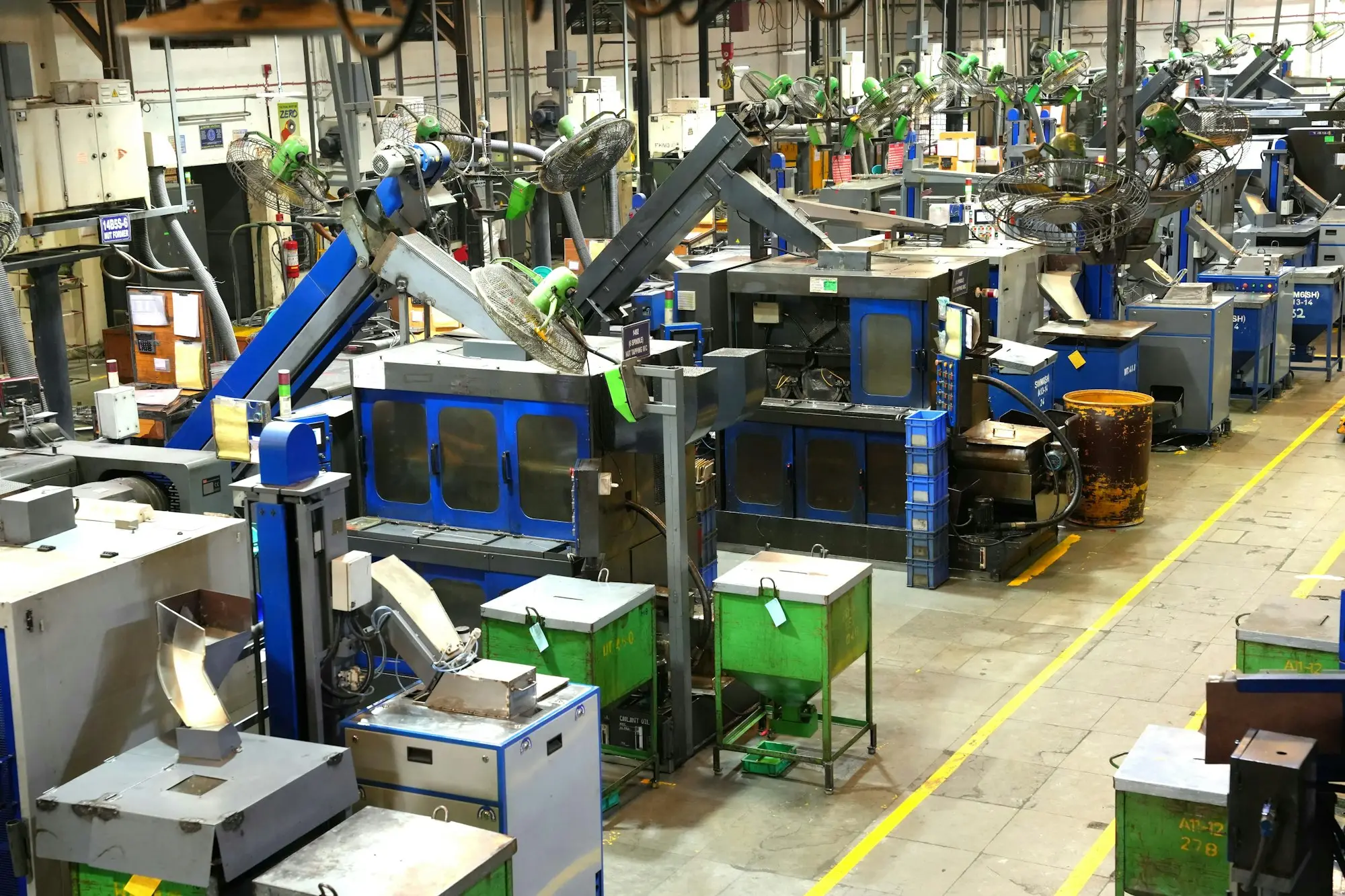
Quick answer
Equipment finance lets a business acquire machinery, tools or technology and pay for it over time, usually with the equipment itself as security. It suits trading businesses that want to keep cash for wages and stock. Lenders look at the equipment's resale value, the supplier quote, your trading history, bank statements and credit file, then match a structure such as a chattel mortgage, finance lease or rental.
Key points
- The equipment usually secures the deal, so the lender cares about what it would sell for.
- The main structures are a loan you own from day one, a lease, or a rental.
- Repayments can be set against the cash the machine earns rather than paid in one hit.
- Specialised or second-hand gear can need extra security or a larger deposit.
- Used for
- Machinery, tools, tech, fit-out items
- Usual security
- The equipment itself
- Common structures
- Chattel mortgage, lease, rental
- Lenders check
- Quote, asset value, trading, credit
Equipment finance is a way of getting the machine, tool or system your business needs now and paying for it over the period it earns its keep. In most cases the equipment itself is the security, which is why it’s often easier to arrange than a general business loan of the same size. The real decision isn’t usually whether to finance, it’s which structure suits the asset and the way your business runs.
How does equipment finance actually work?
You choose the equipment and get a quote or tax invoice from the supplier. A lender assesses your business and the item, then pays the supplier directly. You make regular repayments over an agreed term, and the lender holds an interest in the equipment until the debt is cleared. That interest is normally registered on the Personal Property Securities Register, the same register a buyer can search for $2 to check whether money is still owed on high-value goods.
Because the lender can recover and sell the equipment if things go wrong, the asset carries a lot of the weight in the decision. A late-model excavator from a major dealer is a very different proposition from a one-off machine built for a single production line.
Which structure suits which business?
There are three broad families, and each has its own page if you want the detail.
| Structure | Who owns it | Typical fit |
|---|---|---|
| Chattel mortgage | You, from day one; lender holds security | Long-life equipment you plan to keep |
| Finance lease | The financier, until you pay out the residual | Gear you may hand back or upgrade |
| Rental / operating lease | The provider, throughout | Fast-dating technology, short projects |
The government’s guide to leasing or buying equipment sums up the trade-off well: buying can cost less over the long run and lets you modify or sell the item, while leasing gives predictable payments and easier upgrades but may cost more overall. Tax treatment differs too, so your accountant should have a say before you sign.
If you already own equipment outright and need cash rather than a new machine, that’s a different product altogether: sale and leaseback.
What do lenders look at?
- The asset. Type, age, condition, brand and how easy it would be to sell. Mainstream, mobile equipment with an established second-hand market is the easiest to fund.
- The supplier. A recognised dealer with a proper tax invoice is simplest. Private sales and overseas suppliers add steps.
- Your trading. Time in business, turnover and how the bank account behaves month to month.
- Your credit. Business and director credit files, plus any ATO debt. Neither a past default nor a tax debt is automatically fatal; both are looked at case by case.
- Existing commitments. Other finance, leases and loans already coming out of the account.
If the numbers in your business already stack up, you can check your options for new equipment in about a minute.
What does equipment finance cost?
Pricing is set on your circumstances, so there’s no single number worth quoting. What you can compare is the shape of the cost:
- The finance charge over the full term, which depends on the asset, your trading strength, your credit and the term you choose.
- Establishment and documentation fees, charged once at the start.
- A balloon or residual, an optional lump sum at the end that lowers each repayment but has to be paid, refinanced or settled by trading in.
- Ongoing account fees, if any, and any charge for paying out early.
Always compare the total you’ll pay over the term, not just the weekly amount. A lower repayment built on a large balloon can cost more in the end.
On the tax side, the ATO confirms the $20,000 instant asset write-off is now law and has been made permanent from 1 July 2026 for small businesses with aggregated turnover under $10 million. It affects how you claim the cost of cheaper assets, not whether a lender approves you.
Illustrative example
Illustrative example: A joinery workshop has outgrown its old panel saw and wants a CNC router quoted at $180k from an Australian dealer. The business has traded for six years with steady deposits and no tax debt. Rather than empty its working capital, it finances the router over five years with a modest balloon, sized so the extra jobs the machine allows cover the repayment comfortably. Because the router is a recognised brand from a dealer, the machine itself is enough security and no property is needed.
Change one fact and the answer changes. If the same router came from a private seller interstate, expect a PPSR search, an independent inspection and possibly a deposit.
When is equipment finance the wrong tool?
Equipment finance is purpose-built, which is its strength and its limit.
- Lots of small purchases. Ten items at a few thousand dollars each are often better handled by a single unsecured business loan or line of credit.
- Highly specialised gear. A machine with almost no resale market may need property security to get over the line. Our guide on specialised equipment and loan security covers this.
- Installation and fit-out costs. Labour, cabling and building work don’t have resale value. Fit-out finance is designed for that.
- Vehicles and heavy plant. These have their own markets and quirks; see vehicle finance, truck finance and yellow goods finance.
Not sure which way to go? The secured or unsecured check gives a quick steer.
What documents will you need?
For straightforward deals, a supplier quote, your ABN details and recent bank statements may be enough. Larger or more complex purchases usually add BAS, tax returns and a list of existing finance. Having these ready before you apply saves days of back-and-forth.
Common mistakes to avoid
- Signing the supplier’s finance without comparing. Convenient isn’t always best value.
- Matching the term to the repayment rather than the asset. Paying for a laptop over seven years makes no sense.
- Forgetting the balloon. Plan now for how you’ll clear it.
- Skipping the PPSR search on used gear. If a previous owner still owes money, the item could be taken.
- Underestimating extras. Freight, installation and training can add up and may not be financeable with the machine.
Ready to put new equipment to work?
If you know what you want to buy and roughly what it costs, the next step is quick. The enquiry form takes around a minute, and there’s no credit check just for asking. Your details aren’t fired off to a long list of lenders hoping one bites; a real person reads what you’ve told us, thinks about the equipment and your business, and gives you a call. Please answer the questions accurately, particularly turnover, time trading and whether you own property, so the first option you hear about is one that genuinely fits.
Frequently asked questions
Can I finance second-hand equipment?
Often, yes. Lenders will want to know the age, condition and who is selling it. Private sales usually need an independent invoice and a PPSR search to confirm nothing is still owed on the item, and older or very specialised gear may need a deposit or other security.
Do I need a deposit for equipment finance?
Not always. Established businesses buying common equipment from a dealer are often financed without one. A deposit becomes more likely if the business is new, the credit file has blemishes, or the equipment would be hard to resell.
Is it better to lease equipment or buy it with finance?
It comes down to whether you want to own the item and how long you'll keep it. Buying suits gear with a long useful life that you'll run into the ground. Leasing or renting suits technology that dates quickly or equipment you expect to upgrade within a few years.
Can a new business get equipment finance?
It's harder but not impossible. With little trading history, lenders lean more on the asset, the owner's experience and personal credit. Property security can bridge the gap if the equipment alone isn't enough.
What happens if the equipment breaks down during the term?
The repayments continue, because the finance is separate from the machine's performance. That's why warranties, service agreements and insurance matter. With some rentals, maintenance is bundled in, which is worth weighing when you compare structures.
Does equipment finance affect my ability to borrow for other things?
Yes. Every repayment you commit to is counted when a lender assesses future applications. Keep the term sensible for the asset's life so you aren't still paying for a machine you've already replaced.