Quick answer
A business lease lets you use a vehicle or equipment owned by a financier in return for regular payments. With a finance lease you take on most of the risks and rewards of ownership and usually pay a residual at the end; with an operating lease you simply rent the asset and hand it back. Leasing suits businesses that upgrade regularly, want predictable costs or prefer not to own depreciating assets.
Key points
- The financier owns the asset; your business pays to use it.
- A finance lease usually ends with a residual payment; an operating lease usually ends with a return.
- GST is generally claimed on each lease payment rather than up front.
- Leasing suits assets you'd replace on a cycle anyway.
- Owner during the term
- The financier (lessor)
- End of a finance lease
- Pay residual, re-lease or return
- End of an operating lease
- Usually return or upgrade
- GST
- Generally on each payment
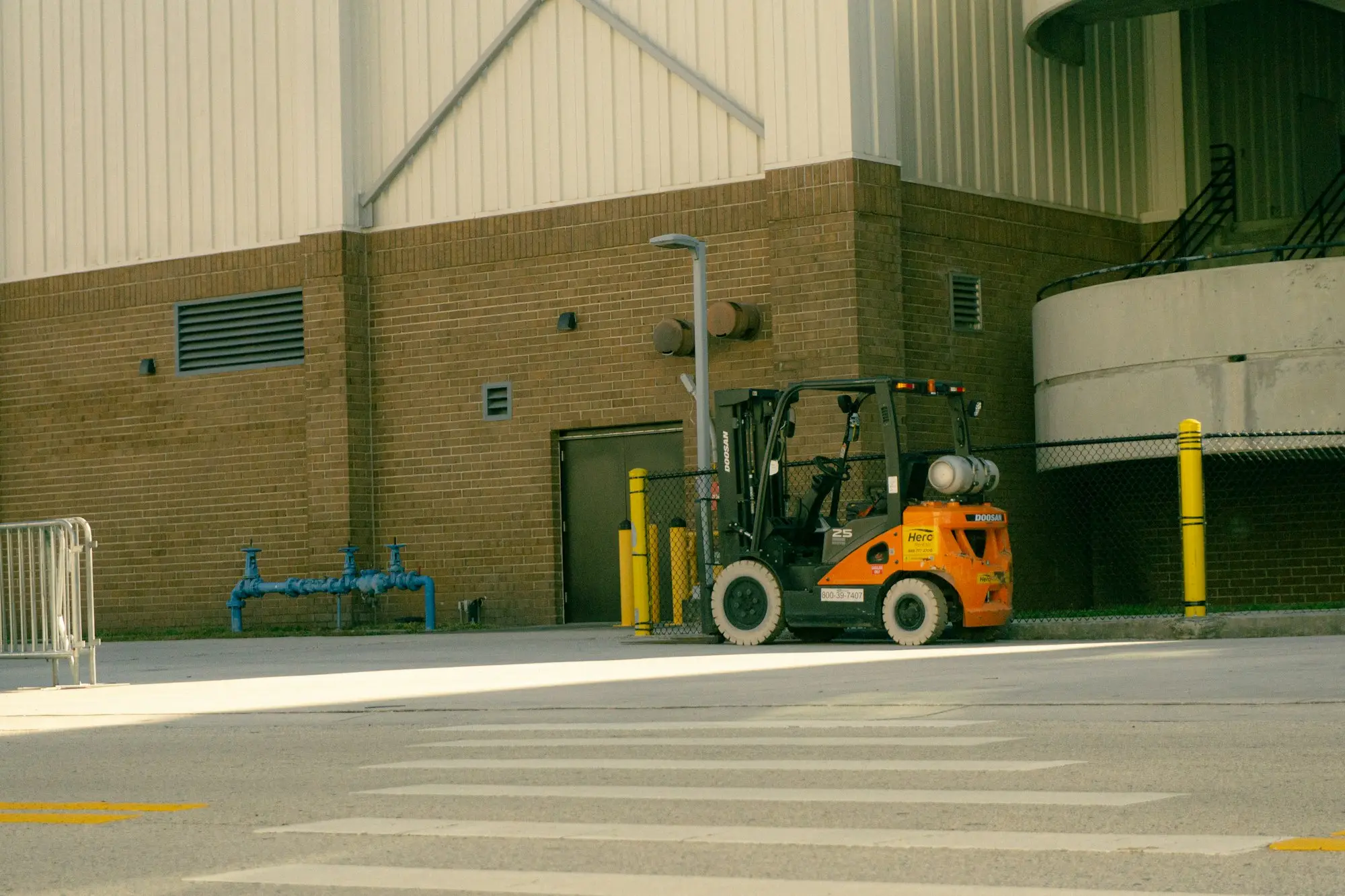
Not every asset is worth owning. A forklift fleet that gets replaced every five years, a run of photocopiers, a set of laptops or a company car can all be used just as effectively without your business ever holding the title. That’s the logic of leasing: the financier buys and owns the asset, and you pay to use it for an agreed period.
There are two broad types, and mixing them up is one of the most common sources of confusion in equipment finance. This page explains both, and when each one beats buying.
What is a finance lease?
Under a finance lease, the financier buys the asset you choose and leases it to your business for a fixed term, typically matched to most of the asset’s useful life. You make regular payments and, in practical terms, you carry most of the risks and rewards of ownership: maintenance, insurance and the chance that the asset is worth more or less than expected at the end.
At the end of the term there’s a residual, a pre-agreed amount. Common options are:
- pay the residual and take ownership;
- refinance the residual;
- re-lease the asset or upgrade to a new one.
Finance leases are widespread for vehicles, forklifts, earthmoving gear and production equipment where the business wants the use of the asset for most of its working life but values flexibility at the end.
What is an operating lease?
An operating lease is closer to long-term renting. The term is usually shorter than the asset’s useful life, the financier keeps the risks and rewards of ownership, and at the end you hand the asset back or swap it for a newer one. Maintenance packages are often built in.
Operating leases are popular for technology, office equipment and fleet vehicles, where staying current matters more than building equity. If you’re financing laptops or servers, the IT equipment finance page covers the refresh-cycle approach in more detail.
How do leases compare with buying?
| Finance lease | Operating lease | Chattel mortgage | |
|---|---|---|---|
| Who owns it during the term | Financier | Financier | Your business |
| Who carries most of the risk | Your business | Financier | Your business |
| End of term | Residual, refinance or upgrade | Return or upgrade | Pay any balloon, asset is yours |
| GST | Generally on each payment | Generally on each payment | Generally on the purchase price up front |
| Best for | Long use, flexible exit | Short cycles, low hassle | Long ownership |
business.gov.au sums up the trade-off: leasing keeps upfront costs down and makes upgrading easier, but the total of repayments, fees and charges can match a loan, and you can’t modify the asset or use it as your own when you borrow elsewhere.
How does GST work on a lease?
The ATO’s guidance on hire purchase and leasing treats each lease payment as a separate purchase. A GST-registered business generally claims one-eleventh of each payment as a credit in the period it falls due (accruals) or is paid (cash), rather than one big credit at the start. If you buy the asset at the end, that’s a separate transaction with its own GST.
For cars there’s a useful difference: the ATO’s motor vehicle guidance notes that credits on lease payments aren’t capped at one-eleventh of the car limit the way an outright purchase is. Business-use percentage still applies.
On the income-tax side, lease payments are generally deducted as they fall due, while the owner of the asset (the financier) claims depreciation. Your accountant can show which structure fits your tax position better.
Why does the PPSR matter in a lease?
Because the financier owns the asset but your business has it, the financier protects itself by registering on the Personal Property Securities Register. The PPSR’s guidance for hire and rental businesses explains that an unregistered lessor can end up an unsecured creditor if the customer becomes insolvent, and that vehicles should be registered against their serial number as well as the customer. In practice, this means:
- you can’t sell or sub-lease the asset without the financier’s consent;
- the lease appears on PPSR searches against your business;
- other lenders will see it when you apply for further credit.
None of that is a problem; it’s just worth knowing before you sign.
What does leasing cost?
There’s no standard price. Every lease is priced on the business and the asset, and the levers are:
- The residual. A higher residual lowers payments but leaves more to pay or refinance at the end.
- Term. Longer terms lower payments but increase the total paid.
- Asset type and age. Mainstream, easy-to-resell assets are the cheapest to lease.
- Fees. Establishment, documentation, PPSR, early termination and end-of-term condition charges.
- Bundled services. Maintenance or servicing included in an operating lease adds to the payment but can remove surprises.
When you’re weighing up a lease against a purchase, send us the quote and we’ll set the options side by side.
Illustrative example
Illustrative example: A wholesale distributor runs four forklifts that are reaching the end of their life. New replacements are quoted at $160k. Rather than tie up working capital, the business takes a finance lease over five years with a residual, keeping the right to buy the forklifts at the end or upgrade to newer models. Payments fall into a predictable monthly figure, GST is claimed on each payment, and the cash stays available for stock ahead of the busy season.
When is leasing the wrong choice?
- When you’ll keep the asset well beyond the lease term and want to build equity in it. A chattel mortgage usually wins.
- When you plan to modify the asset heavily, such as a custom truck body or a fitted-out ute.
- When the residual is set so high that you’ll struggle to pay or refinance it.
- When you already own equipment outright and need cash: a sale and leaseback may be a better fit.
Heavy machinery has its own considerations, covered in yellow goods finance, and manufacturers will find more on the manufacturing business loans page.
Ready to compare a lease with the alternatives?
If leasing sounds like the right shape for your next asset, it only takes about a minute to tell us what you need, and simply enquiring doesn’t put a credit check on your file. We won’t shop your details around a crowd of financiers. Instead, one real person looks at the asset, the term and how your business trades, then calls you to talk through lease and purchase options. Fill in the form carefully, including the asset, the quote and your turnover, so we can line up the right option the first time.
Frequently asked questions
What is the main difference between a finance lease and an operating lease?
Who carries the risks and rewards of the asset. Under a finance lease your business effectively bears most of them and usually commits to a residual at the end. Under an operating lease the financier keeps them, the term is often shorter than the asset's life, and you simply return it.
Can I buy the asset at the end of a lease?
Often, yes. A finance lease usually sets a residual value that you can pay to take ownership, or you can refinance it. The ATO treats a purchase at the end of a lease as a separate transaction, so GST applies to it and a credit may be claimable if the goods are used in the business.
Is a lease cheaper than a chattel mortgage?
Not automatically. Regular payments can look lower, particularly with a large residual, but the total cost depends on the residual, the fees and what you do at the end. Compare the full cost over the term, plus the tax treatment your accountant recommends.
Can I lease used equipment?
Some financiers will lease second-hand equipment, usually with an age limit at the end of the term. Specialised or older gear is more often funded through a chattel mortgage or a loan.
What happens if I want to end a lease early?
Most leases are fixed-term contracts, so ending early generally means paying out the remaining commitment, sometimes with a fee. If you expect your needs to change, discuss upgrade or early-exit options before signing.
Do leased vehicles have the same GST car limit as purchased cars?
The ATO says GST credits on lease payments for a car aren't capped at one-eleventh of the car limit the way a purchase is. Credits still depend on how much the car is used for business.