47 loan types, one plain-English library
Every type of business loan in Australia, explained
Unsecured and cash-flow loans, lines of credit, private and caveat loans, bridging, equipment, vehicle and truck finance, invoice and trade finance, and the loans behind buying, building and fixing a business.
Business finance isn't one product. It's dozens of tools that each solve a different problem, and the right one depends on what you're paying for, how quickly you need it, what security you have and how your business earns its money.
Each page below explains one loan type properly: how it works, who it suits, what lenders look at, the documents you'll need, how it compares with the alternatives and the common mistakes. Not sure where to start? Try the secured-or-unsecured check, or simply tell us what you need.
Keep the business moving
Cash flow and working capital
Unsecured loans, short-term loans, lines of credit, overdrafts and specialist options for ATO debt, low-doc and bad-credit situations.

Unsecured business loans
Unsecured business loans explained: what unsecured really means, how lenders size them on turnover, the guarantee most owners miss, and when security wins.
How it works →
Short-term business loans
Short-term business loans explained: typical terms, how repayments and fees work, the gaps they suit best, and the refinance trap that catches busy owners.
How it works →
Cash flow loans
Cash flow loans are sized on your takings, not your assets. See how lenders read bank statements, the gaps they suit, and when they're the wrong fix.
How it works →
Business line of credit
How a business line of credit works in Australia: drawing and repaying, what you pay on unused limits, how it differs from an overdraft, and who it suits.
How it works →
Business overdraft
A business overdraft lets your account dip below zero to a set limit. Learn how limits are set, how fees and reviews work, and when an overdraft beats a loan.
How it works →
Working capital loans
Working capital loans fund stock, wages and slow debtors. See how the cash cycle works, which loan suits each gap, and how to size the amount properly.
How it works →
Revenue-based and EFTPOS finance
Revenue-based finance repays from your daily card or online sales. See how the fee works, who it suits, when it costs more than a loan and what to check.
How it works →
ATO tax debt loans
Can a business loan clear an ATO debt? See how tax debt loans work, why GIC changed the maths in 2025, what lenders check and when a payment plan is better.
How it works →
Low doc business loans
Low doc business loans swap tax returns for BAS and bank statements. See what lenders accept instead, who qualifies, what it costs and the traps to avoid.
How it works →
Bad credit business loans
Bad credit business loans explained: which defaults lenders can work with, how long they stay on file, why property security matters and how to apply well.
How it works →
New business and startup loans
New business loans explained: why lenders hesitate on new ABNs, how property security and experience change the answer, and what to prepare before you apply.
How it works →
Seasonal business loans
Seasonal business loans help you stock up before the rush and survive the off-season. Compare lines of credit, term loans and card finance for uneven years.
How it works →Borrow against property
Property-secured business loans
Private, first and second mortgage, caveat, bridging, commercial property and construction finance, using residential or commercial property as security.

Secured business loans
How secured business loans work in Australia: what property can be offered, how lenders size the loan, what it costs and when security isn't worth it.
How it works →
Private business loans
Private business loans explained: how non-bank private lenders assess a deal, why they say yes when banks won't, what they cost and how to plan your exit.
How it works →
Private & second mortgages
How a private second mortgage lets your business borrow against property equity without refinancing the home loan, plus how priority, costs and consent work.
How it works →
First mortgage business loans
First mortgage business loans explained: borrowing against debt-free property or refinancing, why first position costs less and what lenders check.
How it works →
Caveat loans
Caveat loans explained: how a caveat on your title secures short-term business finance, when it beats a mortgage, what it costs and how to exit.
How it works →
Bridging loans
How business bridging loans work in Australia: peak debt, end debt, exit strategies, what lenders check and the timing trap that catches most borrowers.
How it works →
Commercial property loans
How commercial property loans work for Australian businesses: owner-occupied vs investment, leases, GST on purchase, documents to gather and costs to plan.
How it works →
Construction and development finance
How construction and development finance works: progress draws, cost to complete, presales, GST at settlement and where small developers come unstuck.
How it works →
Residual stock loans
What a residual stock loan is, when developers use one to refinance unsold units after completion, what lenders check, and how it buys time to sell well.
How it works →
Home equity for business
How home equity business loans work: top-ups vs second mortgages vs caveats, what lenders check, the tax-record trap and when not to put your house at risk.
How it works →Buy the gear that earns
Asset, equipment and vehicle finance
Equipment, vehicles, trucks, yellow goods, farm machinery, medical, hospitality and technology equipment, chattel mortgages, leases and green finance.
Equipment finance
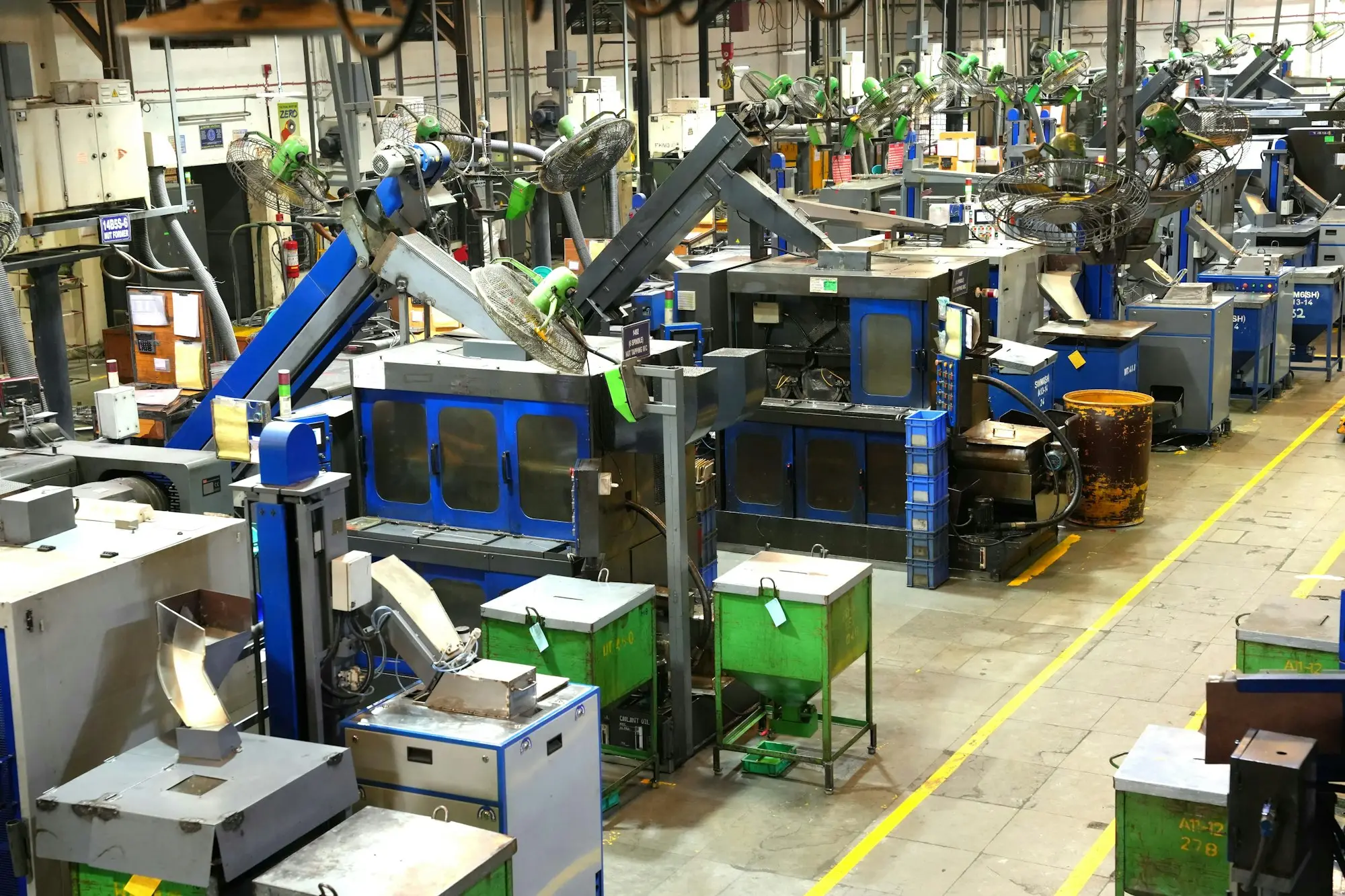
Equipment finance explained: how loans, leases and rentals for business gear work, what lenders check, the real costs and when another loan fits better.
How it works →
Asset finance
Asset finance explained: how the asset you buy becomes the security, which assets lenders prefer, the costs to compare, and when it isn't the answer.
How it works →
Business vehicle finance
Business vehicle finance for utes, vans and cars: how it works, ATO car limits and GST, what lenders check, and the balloon trap to avoid.
How it works →
Truck finance
Truck finance explained: how lenders assess prime movers, rigids and trailers, what owner-drivers need, used-truck checks and the costs to compare.
How it works →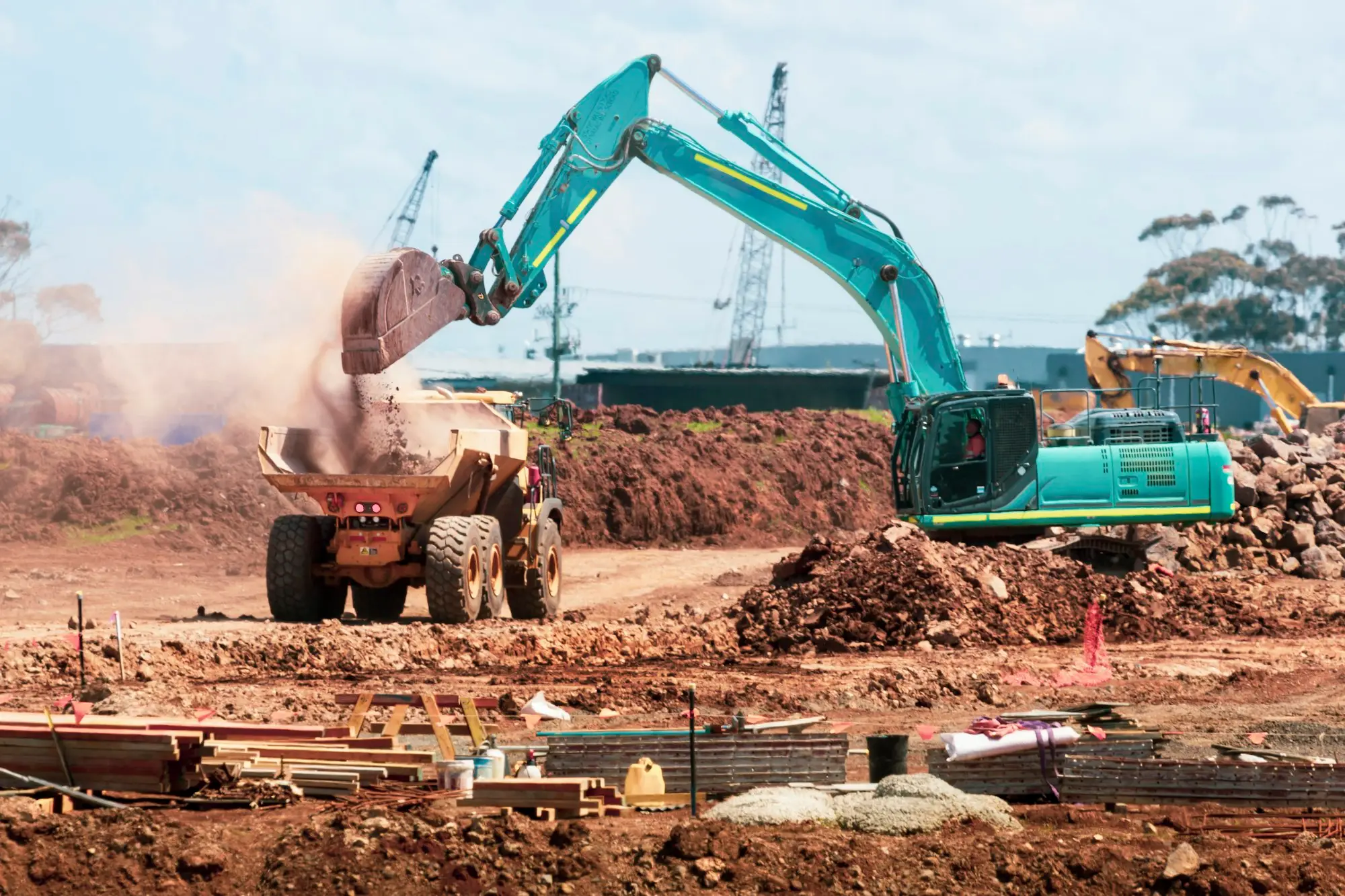
Yellow goods finance
Yellow goods finance for excavators, loaders and skid steers: how lenders value plant by hours, used-machine checks, costs and common traps.
How it works →
Agricultural machinery finance
Agricultural machinery finance for tractors, headers and sprayers: seasonal repayments, what lenders check, clearing-sale PPSR searches and tax points.
How it works →
Medical equipment finance
Medical equipment finance for dentists, GPs and allied health: how lenders assess practices, what you can fund, TGA checks, and when to lease instead.
How it works →
Hospitality equipment finance
How hospitality equipment finance works for combi ovens, cool rooms, coffee machines and bar fit-outs, what lenders check, and when a lease beats a loan.
How it works →
IT and technology equipment finance
IT equipment finance explained: how businesses fund laptops, servers, phone systems and networks, why short terms matter, and when leasing beats buying.
How it works →
Chattel mortgage
A chattel mortgage lets your business own a vehicle or equipment from day one. How it works, the GST and balloon questions, and how it compares with a lease.
How it works →
Finance and operating leases
Finance lease or operating lease? How business leasing works in Australia, who owns the asset, how residuals and GST work, and when leasing beats buying.
How it works →
Sale and leaseback
Sale and leaseback lets a business sell equipment it owns to a financier and lease it straight back. How it works, what qualifies and the tax questions to ask.
How it works →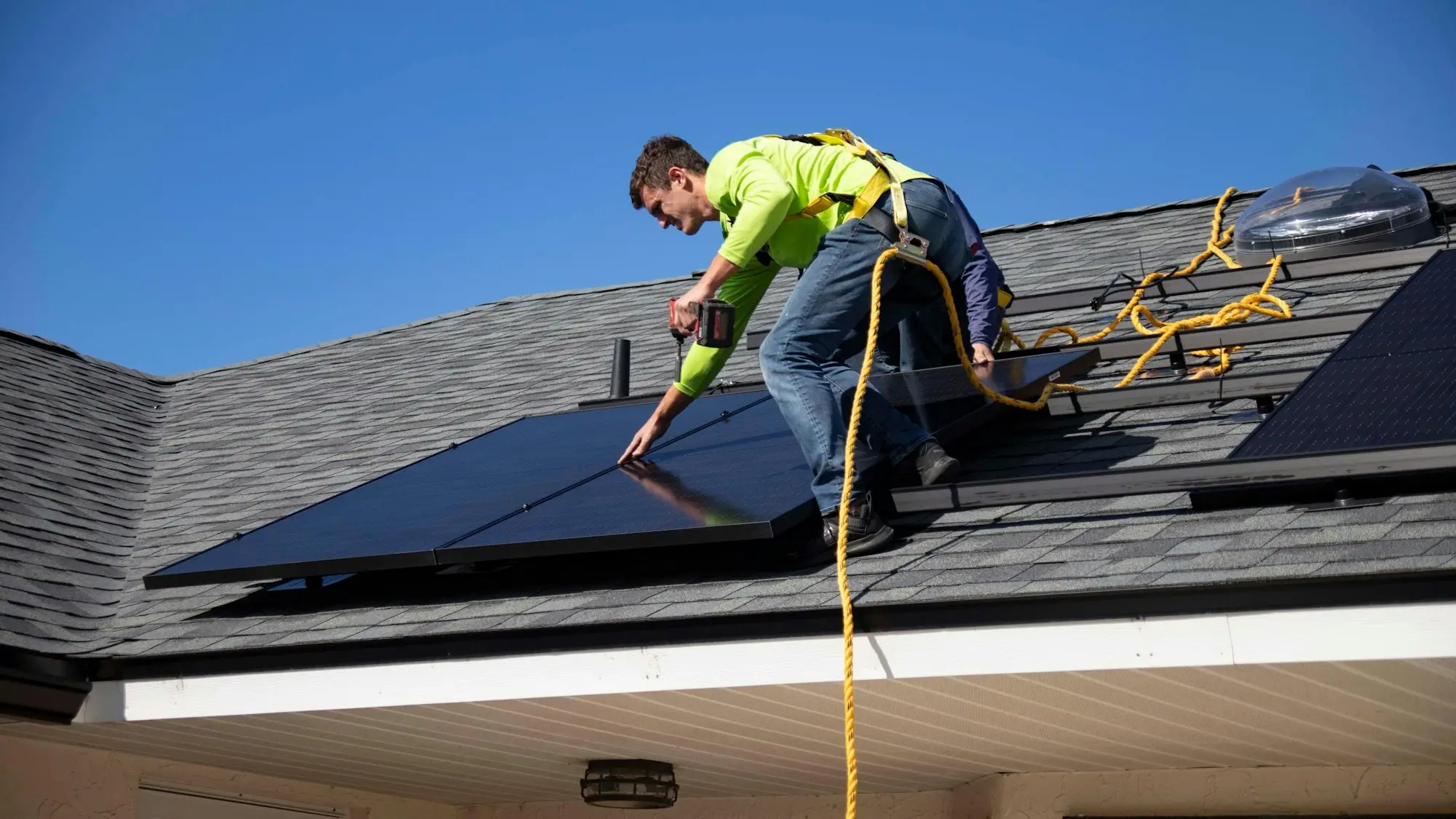
Green finance
Green finance helps businesses fund solar, batteries, EVs and efficient equipment. How it works, the government incentives to stack, and what lenders check.
How it works →Unlock the money you're owed
Trade, invoice and stock finance
Invoice and debtor finance, trade and import finance, purchase order finance and inventory funding for businesses that sell on terms or buy in bulk.

Invoice finance
Invoice finance explained: how lenders advance cash on unpaid invoices, factoring vs discounting, what it really costs, and when a loan is the better fit.
How it works →
Debtor finance
Debtor finance explained: how a whole-ledger facility works, which debts lenders exclude, how the limit moves, the real costs and the contract terms to check.
How it works →
Trade finance
Trade finance explained for Australian importers and exporters: letters of credit, supplier payments, export funding, what lenders check and the costs.
How it works →
Import and supply chain finance
Import finance explained: funding overseas suppliers, freight, duty and import GST, how supply chain finance works, and the GST deferral many importers miss.
How it works →
Purchase order finance
Purchase order finance explained: how lenders pay your supplier to fill a confirmed order, who it suits, the costs and how it hands over to invoice finance.
How it works →
Inventory and stock finance
Inventory finance explained: how lenders value stock, which goods they fund, how supplier security gets in the way, and the simpler options that often win.
How it works →Finance for the big moves
Buying, building and fixing
Buying a business or franchise, fitting out premises, refinancing business debt, buying out a partner and getting through an emergency.

Business acquisition loans
Buying a business? See how acquisition loans are structured, what lenders test in the seller's figures, and why goodwill rarely carries the loan on its own.
How it works →
Franchise finance
Franchise finance explained: new site versus resale, what the disclosure document tells a lender, fit-out and fees, and where property security helps.
How it works →
Fit-out finance
Fit-out finance explained: why lenders treat built-in work differently from equipment, how lease length shapes the loan, and the tax split owners often miss.
How it works →
Debt refinance and consolidation
Juggling several business debts? How refinance and consolidation work, when they genuinely help cash flow, and the signs a new loan won't fix it.
How it works →
Partner buyout loans
Buying out a business partner? Learn how buyout loans are structured, who should borrow, how guarantees get released and why the valuation drives the deal.
How it works →
Emergency business loans
Flood, fire, a dead machine or a client gone bust? How emergency business loans work, the free support to check first, and what helps a lender move quickly.
How it works →Not sure which loan fits? Tell us what you need
Tell us what you need in about a minute. No credit check to enquire, no list of lenders calling you, and a real person who understands how your industry earns its money.
No credit check to enquire
Not sent to a crowd of lenders
A real person who gets your industry