Quick answer
An emergency business loan is funding arranged quickly after an unexpected event, such as a flood, fire, cyber attack, equipment failure or a major customer collapsing. It usually bridges the gap until insurance, grants or normal trading catch up. Lenders still assess cash flow and security, so having bank statements, BAS, insurance details and the cost of the fix ready is what speeds things up.
Key points
- Check insurance, grants and ATO support before you borrow, and borrow for the gap that's left.
- Most emergency loans are bridges: they cover the time until other money arrives.
- Speed comes from preparation: documents, quotes and a clear amount.
- Property security usually allows larger amounts when trading has been disrupted.
- Common triggers
- Disaster, breakdown, lost client, cyber attack
- Lenders focus on
- Pre-event trading, recovery plan, security
- Property-secured
- $20k – $5m
- Unsecured options
- Typically $5k – $500k
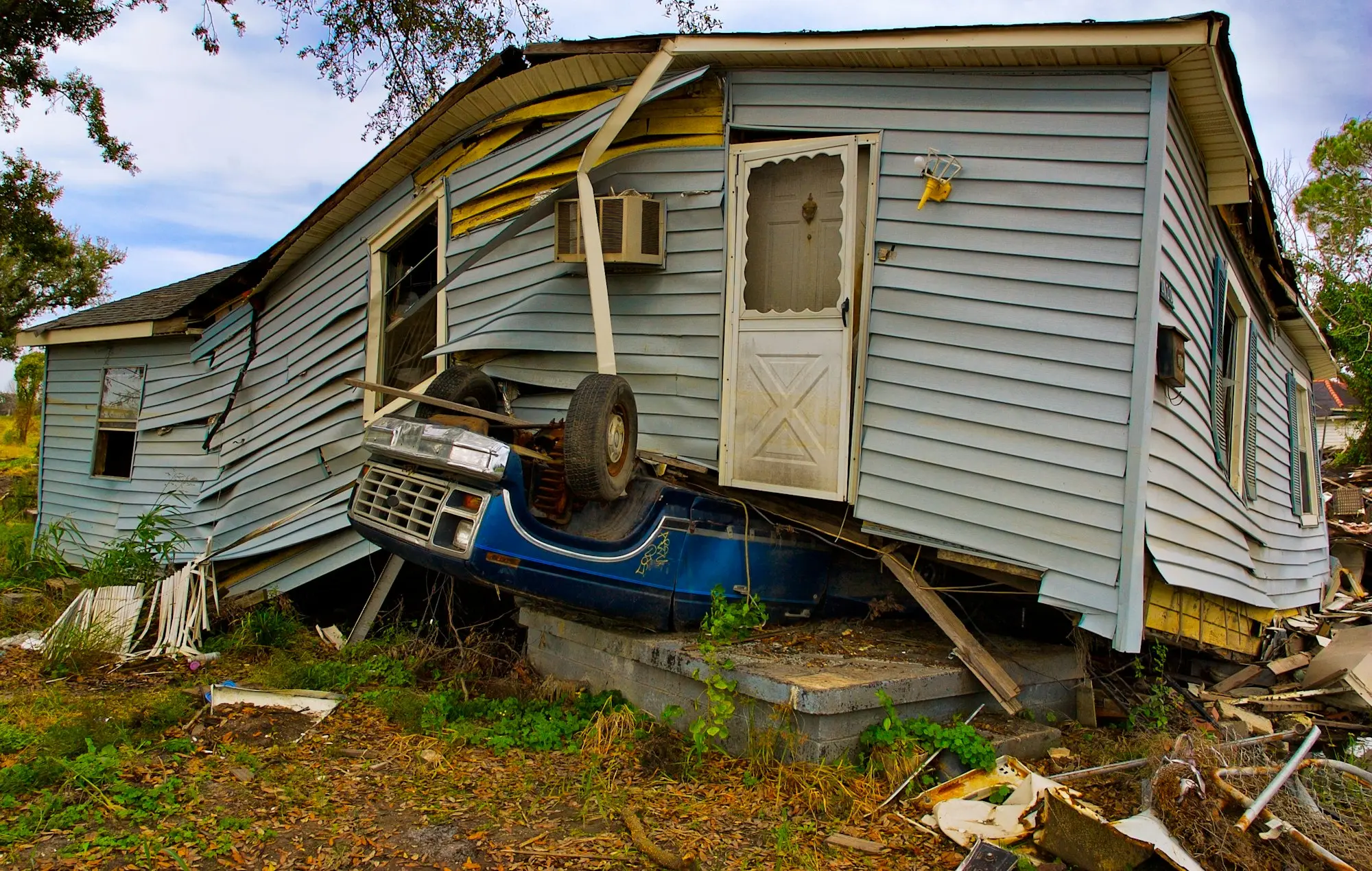
Most business emergencies arrive without warning. Water through the shop floor overnight, a kitchen fire, the main production machine seizing, ransomware locking the accounts system, or the customer who makes up a third of your revenue going into administration. In each case, the business needs money now to keep the doors open, and the usual sources of cash are either delayed or gone.
An emergency business loan fills that gap. It’s not a special product so much as a familiar one, such as a short-term loan, a caveat loan or equipment finance, arranged with urgency and sized for a crisis. This page covers what to do first, where finance fits, and how to give a lender what it needs to act.
What should you do before applying for an emergency loan?
Borrowing should usually be the last piece of the plan, not the first. In the first day or two:
- Make it safe and document the damage. Photos, video, lists of stock and equipment affected.
- Call your insurer. Lodge the claim and ask what’s covered, including business interruption cover.
- Check government support. business.gov.au keeps a list of assistance for disasters and emergencies, including state grants and concessional loans after declared events. It also notes that agencies use your ABN details and physical business address on the Australian Business Register to assess support, so make sure they’re correct.
- Talk to the ATO if tax is due. The ATO says it can help businesses in difficult circumstances, including payment arrangements and, through a registered agent, more time to lodge.
- Get free advice if you need it. The Small Business Debt Helpline on 1800 413 828 offers free financial counselling, including help with insurance claims, grants and disaster relief.
- Work out the gap. Cost of the fix, plus wages and rent until you’re trading normally, minus what insurance and grants will cover and when.
That final number, and how long you need it for, is what you take to a lender.
Which finance fits which emergency?
Different crises call for different tools. Here’s how they typically match up:
| Emergency | What the money is for | Common funding route |
|---|---|---|
| Flood, fire or storm damage | Clean-up, repairs, replacement stock while insurance is assessed | Short-term loan or property-secured bridge |
| Essential machine breaks down | Repair or replacement | Equipment finance against the new machine |
| Major customer collapses | Wages and suppliers while you replace the revenue | Cash-flow lending or property security |
| Cyber attack or system failure | IT recovery, lost trading days | Short-term or cash-flow lending |
| Unexpected tax or legal demand | Paying or settling the amount | Short-term or property-secured loan |
| Opportunity with a hard deadline | Deposit, stock or contract mobilisation | Caveat loan or bridging finance |
For quick needs without property, short-term business loans are the usual starting point. If you own property, a caveat loan or bridging loan can be arranged against it for a set period while the longer-term fix comes together.
How do lenders assess an emergency application?
The urgency doesn’t change the basics. A lender still needs to be confident the loan will be repaid. What changes is the emphasis:
Trading before the event. Lenders look at how the business performed before the crisis, because that’s what it’s expected to return to. Twelve months of bank statements showing steady deposits carries real weight.
The recovery plan. When will you reopen? What’s the insurance position? Is the lost customer replaceable? A short written plan, even a page, helps enormously.
The exit. For a bridge, how the loan gets repaid: an insurance payout, a grant, a property sale or normal trading.
Security. Unsecured facilities, typically $5k to $500k sized on turnover and bank statements, can be harder to get when trading has just been interrupted. Property-secured loans from $20k to $5m, as first or second mortgages or caveat loans over residential or commercial property, let a lender rely on the property while the business recovers. Bad credit and ATO debt are considered case by case.
If you’ve worked out the gap and have your documents together, tell us what’s happened and someone will look at it with you.
What speeds up an emergency loan?
We won’t promise a turnaround, because it depends on the lender, the amount and the security. But these things consistently remove delays:
- Twelve months of business bank statements, downloaded and ready to send
- Your latest BAS and tax return
- Builder, repairer or supplier quotes for the fix
- The insurance claim number and any written response from the insurer
- Details of any property you own and the existing loan on it
- A clear statement of how much you need and how it will be repaid
Illustrative example
Illustrative example: a regional hardware and farm supplies store is flooded after a major storm. Stock and shelving are ruined, and the store will be closed for at least five weeks. The insurer has accepted the claim but expects assessment to take two months, and the owner doesn’t want to lose staff in the meantime. A state recovery grant covers part of the clean-up. The remaining gap, about $180k for replacement stock, repairs and wages, is funded with a short-term caveat loan over the owner’s commercial property, to be repaid when the insurance payout arrives.
What does emergency finance cost?
Short-term and caveat loans are priced on the security, the term, the loan size and your circumstances. They’re designed for months, not years, so look closely at establishment fees, legal costs, any minimum interest period and what happens if the exit is late. If an insurance payout is your exit, make sure the loan can be repaid early without unreasonable penalty. And if a cheaper concessional loan or grant is genuinely available, use it first and borrow only for the difference.
Mistakes to avoid in a crisis
- Borrowing before checking insurance and grants. You may need much less than you think.
- Taking the first offer without reading the exit terms. Short-term money is fine; short-term money with no realistic exit isn’t.
- Running up supplier and tax debt instead. It feels easier in the moment but costs more to unwind later.
- Applying everywhere at once. It wastes time and leaves a trail of credit enquiries.
Need help getting back on your feet?
A crisis is the worst time to be passed from lender to lender. Our enquiry takes about a minute, there’s no credit check to get started, and we don’t spray your details across a pile of lenders who’ll flood your phone while you’re dealing with the clean-up. A real person reads what’s happened, works out where finance fits alongside insurance and any support available, and calls you. Please be accurate about the damage, the gap and any property you own, so the first option we raise is one that can actually help.
Frequently asked questions
How fast can an emergency business loan be arranged?
It depends on the lender, the amount, the security and how quickly you can supply documents. We won't promise a time, but owners who have bank statements, BAS, quotes and insurance details ready give a lender everything it needs to move without delay.
Should I wait for my insurance claim before borrowing?
Lodge the claim straight away, but you don't always have to wait for it. Many owners borrow to reopen while the claim is assessed and repay or reduce the loan when the insurer pays. Make sure the loan has no unreasonable penalty for early repayment.
Are there grants or cheaper government loans after a disaster?
Often, yes. After declared disasters, states and the Commonwealth may offer grants and concessional loans. business.gov.au lists current programs. Check what's available before you borrow, and use finance for the gap that's left.
Can I get emergency funding if my trading has stopped?
Unsecured lenders size facilities on recent banked turnover, so a sudden stop can make them cautious. Property security lets a lender rely on the property instead, which is why it's often the more reliable route when trading has been disrupted.
What if the emergency is an ATO demand?
Contact the ATO first to discuss a payment arrangement; the ATO also says it can help businesses through difficult circumstances. If finance makes sense, our ATO tax debt loans page explains how lenders view tax debt.
Who can help if I'm not sure the business will survive?
The Small Business Debt Helpline (1800 413 828) is a free, confidential service with financial counsellors who can help check viability, talk to creditors and look at disaster relief options.