Quick answer
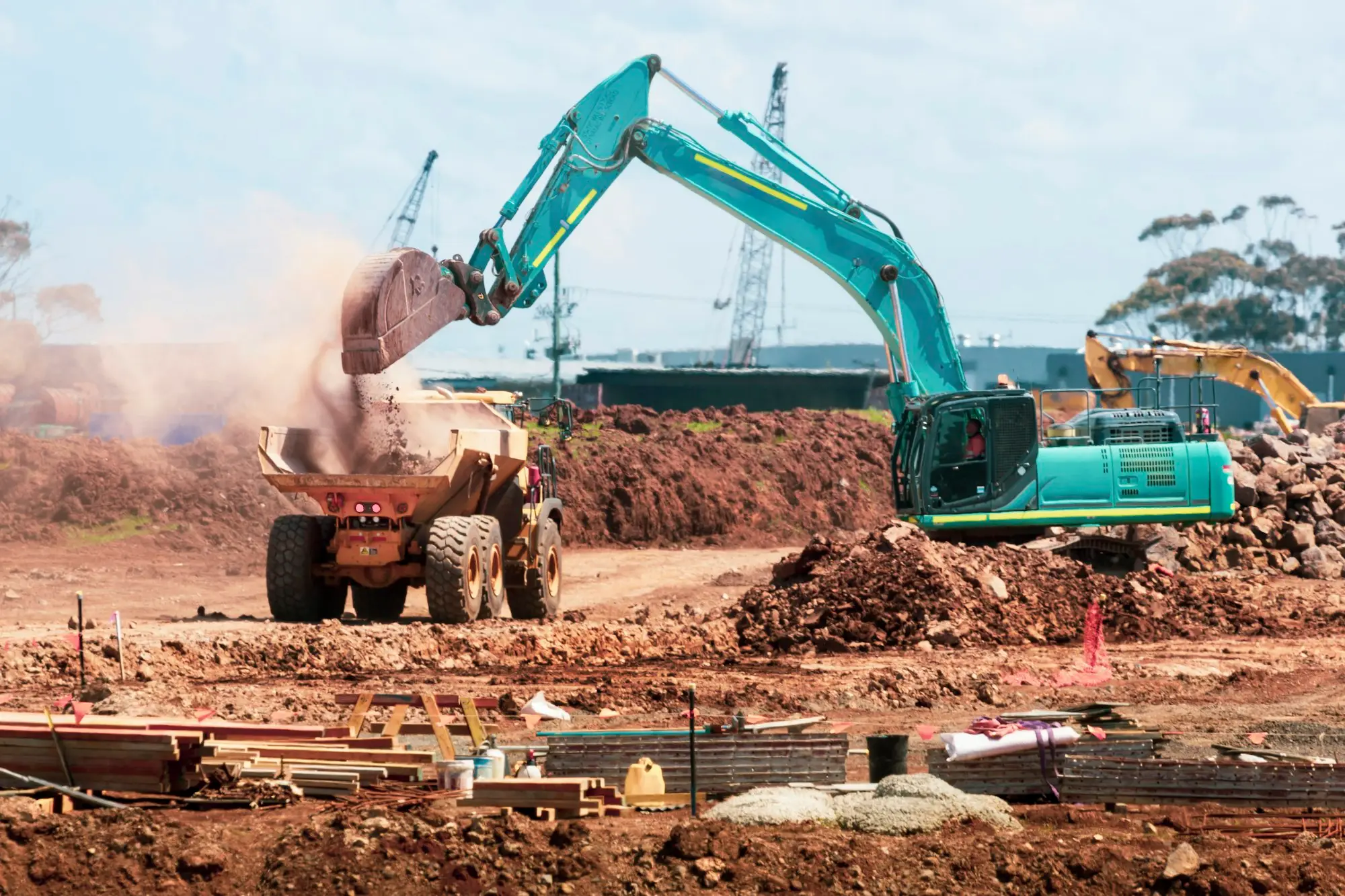
Yellow goods finance funds earthmoving and construction plant such as excavators, loaders, dozers, graders, rollers and skid steers, with the machine as security. It suits civil contractors, excavation operators, landscapers, plant-hire businesses and builders. Lenders look at the machine's brand, age and engine hours, its resale market, your experience and pipeline of work, your trading record and your credit.
Key points
- Lenders value plant on engine hours, brand and condition, not kilometres.
- Popular brands and sizes resell quickly, which makes them easier to fund.
- Attachments, a float or a tilt trailer can often be bundled into the deal.
- Used machines need a PPSR search by serial number and an inspection.
- Finances
- Excavators, loaders, dozers, rollers
- Security
- The machine
- Key value driver
- Engine hours, brand, condition
- Suits
- Civil, excavation, hire, builders
Yellow goods finance pays for the heavy machinery that digs, pushes, lifts and levels. Lenders like it more than many people expect, because popular earthmoving plant holds its value and sells readily on the second-hand market. The catch is that every machine is judged on its own hours, condition and brand, and every operator is judged on whether there’s enough work to keep it busy.
Which machines count as yellow goods?
| Category | Examples |
|---|---|
| Excavators | Mini, midi and full-size tracked and wheeled excavators |
| Loaders | Wheel loaders, backhoe loaders, skid steers, compact track loaders |
| Dozers and graders | Crawler dozers, motor graders |
| Compaction | Smooth-drum and padfoot rollers, plate compactors |
| Support gear | Attachments, tilt trailers, plant floats |
Tip trucks and water carts that run on registration usually sit under truck finance. Non-mobile workshop machinery belongs with general equipment finance.
How do lenders value earthmoving plant?
With a car, kilometres tell most of the story. With plant, it’s engine hours, plus:
- Brand and model. Well-known makes with dealer networks and parts support resell fastest.
- Size class. Mid-size excavators and compact loaders have deep buyer markets; very large or very niche machines have fewer buyers.
- Service history. Records showing regular servicing and undercarriage work can lift a lender’s comfort more than a low hour-meter reading alone.
- Condition. Tracks, pins and bushes, hydraulics, cab and any structural repairs.
This is why two machines of the same age can be treated very differently. If the machine you want is specialised, our guide on specialised equipment and loan security explains how to bridge the gap.
What does the lender want to know about your business?
- Experience. How long you’ve operated plant and run jobs.
- Pipeline. Contracts, subcontract arrangements with builders or civil firms, or a hire fleet with steady utilisation.
- Trading record. Bank statements, BAS and tax returns showing consistent income.
- Seasonality. Wet weather and project gaps happen. Lenders like to see a buffer.
- Credit. Business and director files; earlier problems or ATO debt are assessed case by case.
Got a machine in mind and work booked for it? Find out what you could get approved for in about a minute.
Buying used plant: the checks that protect you
Private sales and auctions are common in earthmoving, and so are machines with money still owing on them. The PPSR’s agribusiness guidance notes that a $2 online search shows whether a security interest is registered, and that earthmovers and tractors can be searched by serial number. Skip it, and the machine you paid for could be repossessed by someone else’s lender.
Also worth doing:
- An independent mechanical inspection before paying a deposit.
- Checking the serial and engine numbers match the paperwork.
- Confirming attachments listed in the sale are actually on the trailer when it arrives.
What does yellow goods finance cost?
Each deal is priced on the machine, your business and your credit. To compare offers properly, look at:
- The total repaid over the term, not only the monthly figure.
- Establishment and documentation fees.
- Any balloon. Plant holds value well, so balloons are common, but set one you can realistically clear when the term ends.
- Seasonal repayment options. Some lenders allow structured repayments for businesses with predictable quiet months.
- Early payout terms, if you plan to upgrade.
Tax can change the after-tax cost. The ATO lists machinery, plant and equipment among the uses that can generate fuel tax credits, and the $20,000 instant asset write-off has been made permanent from 1 July 2026 for small businesses under the $10 million aggregated turnover threshold, which can apply to smaller attachments. Run the numbers with your accountant.
Illustrative example
Illustrative example: A two-person excavation business doing site cuts and drainage for home builders has been hiring a 5-tonne excavator most weeks. The owners want to buy a used 8-tonne machine with 3,000 hours, a tilt hitch and three buckets, plus a tag trailer, for about $140k. They show twelve months of bank statements, letters from two builders confirming regular work and the machine’s service book. After a PPSR search on the serial number and an inspection, the purchase is financed under a chattel mortgage, and the hire bill they were paying each week disappears.
Dealer, private sale or auction?
Where the machine comes from shapes how smoothly the finance runs.
- Dealer, new or used. A tax invoice, known history and sometimes a warranty. The simplest path, and dealers can often confirm the machine is free of finance.
- Private sale. Common between operators. Expect the lender to ask for proof of ownership, a PPSR result and an inspection report.
- Auction. Prices can be sharp, but payment terms are tight. Get approval in principle first, inspect on viewing day, and remember the buyer’s premium and transport are extra.
- Ex-hire fleet. Hire companies regularly sell well-serviced machines. Records are usually good, which lenders appreciate.
Whichever route you take, budget for floating the machine to your yard or first job.
Buy or keep hiring?
Hiring makes sense for machines you need occasionally or for one-off jobs. Once a machine is on hire most weeks of the year, the hire bill is often paying for someone else’s asset. Owning gives you control over availability and lets you charge out the machine with your operator, but it also brings servicing, insurance, transport and downtime costs. Compare a full year of hire against a full year of repayments plus running costs before deciding.
When is yellow goods finance not the right fit?
- You need working capital between progress claims. That’s a cash-flow problem; see cash flow loans.
- The machine is old, rare or heavily modified. It may need property security alongside it; property-secured business loans run from $20k to $5m.
- You’re buying a whole earthmoving business. Goodwill and contracts aren’t plant; look at business acquisition loans.
The secured or unsecured check can help you sort out which route fits.
Ready to stop hiring and start owning?
If you’ve been paying hire on a machine you use every week, owning it may already make sense. Starting is simple: the enquiry takes roughly a minute and there’s no credit check at that stage. Your information isn’t sold off to a queue of lenders; a real person who knows how plant is valued looks at the machine and your workload, then calls you. Please be accurate on the form, particularly the machine, your turnover and whether you own property, so we can line up the right option the first time.
Frequently asked questions
What are yellow goods?
It's the industry nickname for earthmoving and construction machinery, named after the yellow paint many manufacturers use. The term covers excavators, wheel loaders, backhoes, dozers, graders, rollers, skid steers and compact track loaders, regardless of colour.
Can I finance attachments with the machine?
Usually, yes. Buckets, rippers, augers, hammers, tilt hitches and grabs are commonly included in the purchase price. Expensive attachments bought later can be financed separately if they have a resale market.
How many engine hours is too many?
There's no single cut-off. Lenders weigh hours against the machine's age, brand, size and service history. A well-maintained machine with higher hours may be easier to fund than a low-hour machine with no records.
Can I finance a machine bought at auction?
Often, but timing matters. Auctions usually need payment quickly, so get your approval organised before bidding. The lender will want the auction invoice and details to identify the machine.
Can a new earthmoving business get finance?
It's possible with strong industry experience and work lined up. Expect the lender to ask for a deposit, evidence of contracts or subcontract work, or additional security such as property while the business builds a track record.