Quick answer
A seasonal business loan is finance that matches a business's uneven year: money to stock up and hire before the busy season, or to carry rent, wages and tax through the quiet months. It suits tourism, hospitality, retail, agriculture and trades with predictable peaks. Lenders read twelve months or more of bank statements to see the full cycle, and often prefer a flexible line of credit over a fixed lump sum.
Key points
- Lenders want to see at least a full year of statements so they can see both the peak and the trough.
- A line of credit often suits seasonal businesses better than a fixed-term lump sum.
- Time the application before the money is needed, not in the middle of the quiet patch.
- BAS and PAYG obligations still fall due in the off-season, so build them into the plan.
- Used for
- Pre-season stock, staff, off-season costs
- Assessed on
- Full-year bank statements
- Unsecured options
- Typically $5k – $500k
- Property-secured
- $20k – $5m
A seasonal business does most of its earning in a few months and spends the rest of the year waiting for them to come round again. Seasonal business loans are designed for that rhythm: money in hand before the rush to buy stock and put staff on, or a buffer that carries rent, wages and tax through the lean weeks. The right structure depends on whether the gap is a one-off or happens every year.
Which businesses need seasonal finance?
Almost every business has a slow month, but some live and die by the calendar:
- Tourism and accommodation: coastal kiosks, tour operators, ski-field businesses, holiday parks and motels
- Hospitality in holiday towns, where summer or the school holidays carry the year
- Retail with a heavy Christmas or EOFY peak
- Agriculture and horticulture, where income arrives at harvest and costs arrive all year (see farm business loans)
- Trades tied to weather, such as pool builders, landscapers, roofers and air-conditioning installers
- Event and party hire, busiest from spring through to the new year
What they share is a predictable pattern. That predictability is exactly what makes them fundable.
How do lenders read a seasonal business?
The biggest risk for a seasonal business applying for finance is being judged on the wrong slice of the year. Three months of winter statements from a beachside café look alarming; three months of January statements look like a gold mine. Neither is the truth.
So lenders generally want a full trading cycle, usually twelve months or more of business bank statements, to see:
- the size and timing of the peak
- how low the trough goes, and whether the account stays in credit
- whether last year’s quiet period was covered without missed payments or dishonours
- how quickly the business recovers when the season turns
They’ll also look at lodged BAS, existing debts, any ATO debt and the owner’s credit file. Property security, if it’s available, widens the options and extends the possible term.
If you’ve got a full year of statements and a season to prepare for, an enquiry takes about a minute and lets you line up funding before you need it.
What are the main options?
| Option | How it fits a seasonal year | Watch out for |
|---|---|---|
| Business line of credit | Draw before the season, repay as trade comes in, redraw next year | Line fees even when unused |
| Short-term or working capital loan | Lump sum for a specific build-up, repaid over months | Fixed repayments continue in the quiet months |
| Revenue-based finance | Repayments come from card takings, so they shrink in the off-season | Fixed total cost; early repayment may not save money |
| Inventory finance | Funds the stock itself ahead of the peak | Tied to specific stock purchases |
| Property-secured loan | Larger amounts or longer terms, e.g. a refit or buying a second site | Establishment and legal costs; property is on the line |
For a gap that recurs every year, a line of credit is usually the cleanest answer. For a one-off investment, such as a new boat, a kitchen upgrade or a fleet of hire equipment before summer, a term loan or equipment finance is often a better match.
Unsecured options for trading businesses typically run from $5k to $500k, sized on turnover and bank statements. Property-secured business loans range from $20k to $5m through first mortgages, second mortgages or caveats.
What should you plan for in the off-season?
The quiet months still carry fixed costs, and some of the biggest arrive at awkward times.
Tax. Quarterly BAS is due on 28 October, 28 February, 28 April and 28 July. If your peak ends in March, the April BAS lands right as takings drop. Setting aside GST and PAYG during the peak avoids the classic seasonal tax debt.
Staff. Many seasonal businesses rely on casuals. The Fair Work Ombudsman explains that a casual has no firm advance commitment to ongoing work and is paid a casual loading or casual rate, and that casual conversion pathways exist in some circumstances. Know your obligations before you build a funding plan around rostering people off.
Rent and leases. Rent doesn’t drop with your sales. Factor it into the size of any off-season buffer.
What does seasonal finance cost?
Pricing is set on each business’s circumstances (the strength of the full-year statements, credit history, security, the facility type and amount) so we don’t publish rates. The cost pieces to compare are:
- interest on a loan, or on the drawn balance of a line of credit
- line or facility fees, charged whether or not you draw
- establishment fees, plus legal costs on secured loans
- for revenue-based finance, the fixed fee built into the total repayable
Compare options on what they’ll cost across a whole year, peak and trough together, not just the first month.
Illustrative example
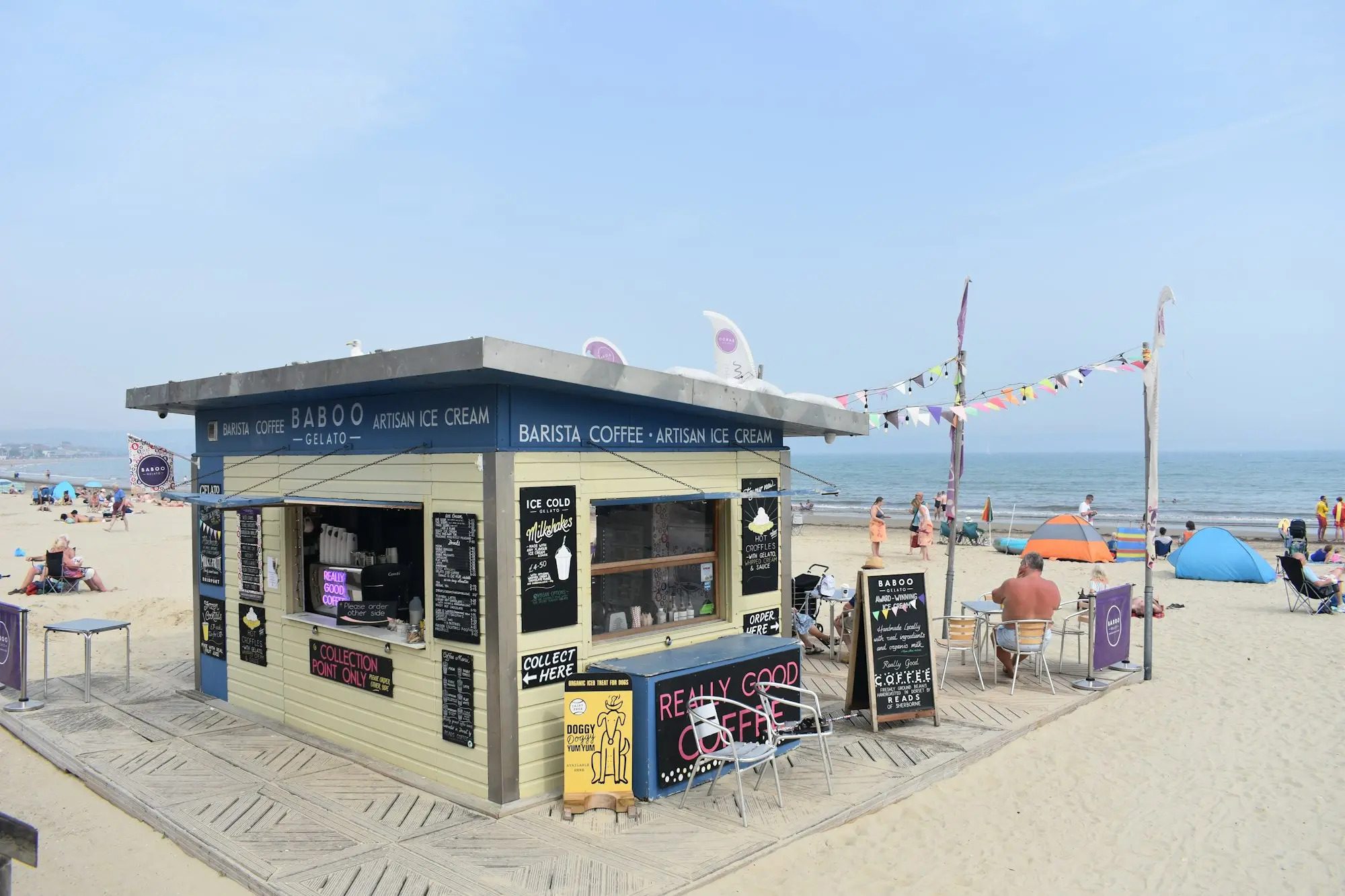
Illustrative example: A family-run beach kiosk on the south coast takes most of its revenue between December and April. Each spring it needs around $40k for stock, a new freezer and to put casual staff on before the crowds arrive. The owners have twelve months of statements showing a strong summer and a lean but stable winter, with the account always in credit. Instead of a new loan every year, they set up a line of credit sized on that full-year turnover. They draw it in October, clear it by February and leave it sitting there, ready for next spring. The tourism operator guide covers similar businesses further inland.
Seasonal finance mistakes to avoid
- Applying in the trough with only a few months of quiet statements.
- Borrowing a fixed-repayment loan for a gap that comes back every year.
- Spending the GST. Peak-season GST belongs to the ATO; park it.
- Under-borrowing and running short halfway through the build-up.
- Leaving it too late. Funding arranged before the season is far calmer than funding chased in a panic.
Want next season sorted before it starts?
The best time to arrange seasonal funding is while you’re still planning, not when the shelves are empty and the crowds are a week away. Our form takes about 60 seconds and doesn’t involve a credit check when you first enquire. We won’t hand your details around a room full of lenders, so you’ll hear from us and only us. A real person looks at your full year, the peaks and the troughs, then calls to talk through what fits. Please give your honest annual turnover and tell us when your busy season runs, so we can match you to the right facility first time.
Frequently asked questions
Can I get a business loan during my off-season?
Yes, but it's usually easier to apply before the quiet months start. If you apply in the trough, make sure the lender sees twelve months of statements so last season's peak is visible, not just the current lull.
Is a line of credit or a loan better for a seasonal business?
For recurring seasonal gaps, a line of credit usually fits better because you draw only what you need and pay it back when trade picks up. A fixed-term loan suits a one-off investment such as new equipment or a refit before the season.
Can repayments be lower in the off-season?
Some products flex naturally. Revenue-based finance repaid from card takings falls when sales fall, and a line of credit lets you draw down and repay on your own timing. Standard term loans usually have fixed repayments all year.
How many months of bank statements will a lender want?
For a seasonal business, lenders generally want enough to cover a full trading cycle, which usually means twelve months or more. Fewer months can make your business look either better or worse than it really is.
What if a bad season has left me behind on tax?
It happens, and ATO debt is considered case by case. Our ATO tax debt loans page explains how lenders view it and when clearing the debt with a loan makes sense.