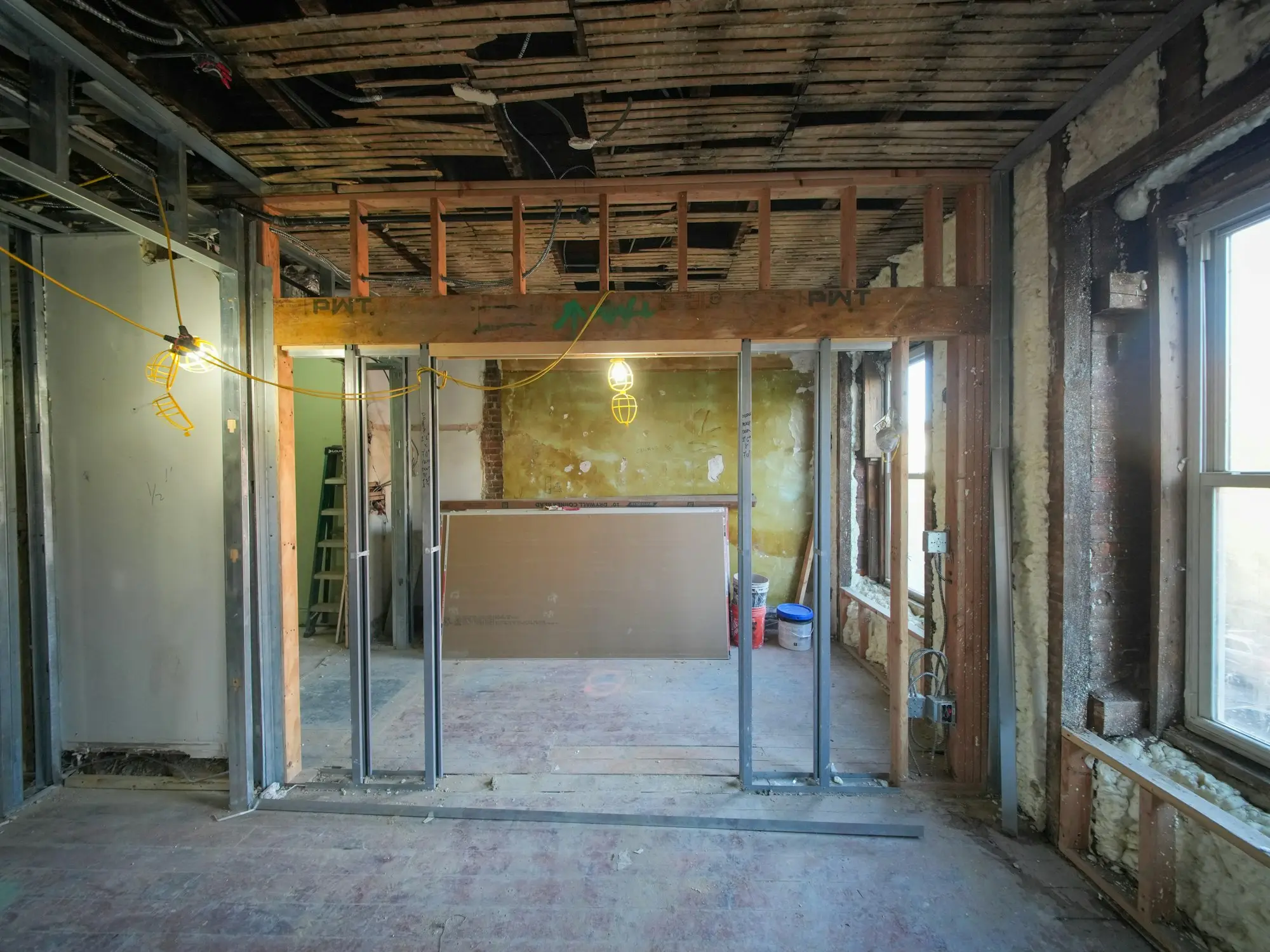
Quick answer
When a fit-out runs over budget mid-build, first pin down the true remaining cost: signed variations, unpriced risks and the rent you'll pay before opening. Then fund the gap with something sized for it, not your overdraft. Trading businesses can often use an unsecured facility based on bank statements; new or larger projects usually need property security. Lenders want the original contract, the variations, the builder's cost-to-complete and your lease.
Key points
- Work out the cost to complete, not just the latest variation; blow-outs rarely arrive one at a time.
- Rent during a delayed fit-out is part of the overrun, because the shop isn't trading.
- Draining the overdraft to pay the builder leaves nothing for opening stock and wages.
- Lenders funding mid-build want the contract, the variations, a cost-to-complete and the lease.
- Check your lease for landlord's works charges and caps before assuming every extra is yours.
If your fit-out has blown out mid-build, stop and work out the real cost to finish, including variations not yet priced and the rent you’ll pay before you open. Then fund that whole gap with a facility sized for it, rather than feeding the builder from the overdraft one invoice at a time. Trading businesses can often do this on cash flow; new businesses and big overruns usually need property behind them.
Almost every owner who has done a fit-out has a story about the moment the budget broke. The ceiling came down and the wiring was ancient. The council wanted a grease trap. The building manager rejected the shopfront. This guide is about what to do next.
Why do fit-outs go over budget?
Fit-out quotes are built on assumptions, and many of those assumptions can’t be tested until the work starts. Common culprits:
- Variations you request. Moving a wall, upgrading finishes, adding a second sink. Each one is small; together they aren’t.
- Hidden conditions. Old wiring, asbestos, rotten subfloors or plumbing that won’t take the load.
- Service upgrades. Kitchens, salons and clinics often need more power, water or ventilation than the tenancy has.
- Approval conditions. Councils, certifiers and shopping centre managers can require changes after plans are lodged. The NSW Small Business Commissioner notes that shopping centres usually set a fit-out construction standard in a tenancy fit-out statement or guide.
- Delay costs. The NSW Commissioner’s page on who pays for fit-outs points out that during a fit-out the shop isn’t trading, so the tenant needs to cover rent or negotiate a rent-free period. Every week of delay costs rent with no takings to match.
How do you work out the real gap?
The biggest mistake is funding the latest variation instead of the whole problem. Overruns rarely arrive one at a time. Sit down with your builder and build a cost-to-complete.
| Item | Where the number comes from |
|---|---|
| Original contract sum | Signed contract |
| Less: paid to date | Your payments against progress claims |
| Plus: signed variations | Variation notices you’ve approved |
| Plus: pending variations | Builder’s estimates for issues already identified |
| Plus: risk allowance | Items still uncertain (ceiling, services, approvals) |
| Plus: extra rent and outgoings | Weeks of delay multiplied by your rent |
| Plus: opening costs still to come | Stock, wages before trading, marketing |
| Equals: funds needed to open |
Then compare that with what you actually have left. The difference is the number to fund, and it’s usually larger than the variation that triggered the panic.
Is the landlord responsible for any of it?
Sometimes, so check before you assume every extra is yours.
Your lease and disclosure statement should set out who does which works. In NSW retail leases, if the tenant pays some or all of the landlord’s works, the tenant must agree to a maximum cost in writing before the lease begins and doesn’t have to pay more than that maximum, according to the NSW Small Business Commissioner. In Victoria, the Small Business Commission’s retail leases brochure says the landlord must repair and maintain the structure and the fixtures it provides under the lease, unless tenant misuse caused the problem.
If the blow-out comes from the building itself, such as structural issues, failed base services or work that falls within the landlord’s works, raise it with the landlord in writing before paying for it. Even if they’re not obliged, a landlord who wants a tenant trading may contribute or offer extra rent relief.
Why not just use the overdraft?
Because it’s the money you’ll need when the doors open.
An overdraft or line of credit is built for the ups and downs of trading. If it’s maxed out paying the builder, you’ll have nothing left for opening stock, the first few payroll runs and the quiet weeks while customers find you. Many fit-out businesses that struggle in their first months do so not because the fit-out was wrong, but because it consumed the working capital.
A separate facility sized for the cost-to-complete keeps the two jobs apart: one loan finishes the build, and your trading facilities stay free for trading. If you’re unsure which way your project leans, the secured or unsecured check gives a quick read.
If you’ve got a cost-to-complete in hand, send us the numbers in a short enquiry and a real person will look at how to close the gap. There’s no credit check at that stage.
What will a lender want to see mid-build?
Funding an unfinished fit-out is different from funding one at the start. The lender is stepping into a project that’s already moving, so it wants to know exactly where things stand:
- The original building contract and the builder’s licence details.
- Every signed variation, plus estimates for any that are pending.
- The builder’s cost-to-complete and a realistic completion date.
- Evidence of payments made so far.
- The lease, including term, options and any landlord contribution.
- Trading figures for an existing business, or a budget and opening plan for a new one.
Existing businesses with steady banked turnover can often fund the gap with an unsecured facility, typically $5k to $500k based on turnover and bank statements. New businesses, or overruns too large for cash flow lending, generally need property-secured business loans from $20k to $5m. If the loose equipment hasn’t been bought yet, separating it out through equipment finance can shrink the amount that needs other funding. The main fit-out finance page explains why the fixed work itself can’t serve as security.
How do you stop it blowing out again?
Once the gap is funded, protect it. A few habits make a second overrun much less likely:
- Price variations before approving them. Ask for a written price and time impact for every change, and sign nothing verbally on site.
- Keep a running cost-to-complete. Update it each time a progress claim arrives, so you see trouble weeks earlier.
- Hold a visible contingency. Keep part of the new funding aside for genuine surprises rather than spreading it across upgrades.
- Freeze the wish list. Upgrades can wait until you’re trading and the cash flow is real.
- Talk to the builder about sequencing. Sometimes reordering the work gets you open sooner, with non-essential finishes completed after trading starts.
Illustrative example
Illustrative only. A couple are fitting out a 60-seat restaurant on a new lease. The contract was $280k. Halfway through, the builder finds the exhaust needs a new route through the roof, the electrical board needs replacing and council has added conditions on the grease trap. Signed and pending variations total $65k, and the delay adds six weeks of rent.
Their cost-to-complete, including a risk allowance and opening stock and wages, shows a $110k shortfall. They’d been about to pay the first variation from the overdraft. Instead, they fund the full $110k with a second mortgage over their home, keeping the overdraft clear for opening. They also ask the landlord for two extra rent-free weeks because the roof penetration involves the building’s structure, and the landlord agrees to one.
Ready to get the build finished and the doors open?
A fit-out blow-out feels like a crisis, but it’s usually a funding problem with a clear shape once you’ve done the cost-to-complete. The quicker you size it properly, the sooner the trades are back on site.
It takes about a minute to tell us what’s happened, and there’s no credit check when you first enquire. You won’t be passed around a dozen lenders either, because we don’t spray your details across the market. Someone who understands building projects reads your numbers, checks what’s left to build and the security you can offer, then picks up the phone. Please give accurate figures for the cost-to-complete and the lease, so we can match the right option first time.
Frequently asked questions
What usually causes a fit-out to go over budget?
Variations you ask for, hidden problems found once walls and ceilings are opened, services that need upgrading, and conditions from councils or building managers. Delays add rent and holding costs on top.
Can I get a loan halfway through a fit-out?
Yes. A lender will want to see what's already been paid, what's left to complete, signed variations and your lease. Existing businesses can often fund the gap on cash flow; new ones usually need property security.
Should I pay the builder from my overdraft?
It's tempting but risky. An overdraft is meant for trading swings. Using it for building work can leave you short for opening stock, wages and the slow first weeks of trade.
Do I have to pay for the landlord's works if they cost more?
In NSW retail leases, the tenant must agree in writing to a maximum cost for the landlord's works before the lease begins, and doesn't have to pay more than that maximum. Other states have their own rules, so check your lease and disclosure statement.
How much contingency should a fit-out have?
There's no fixed rule, but older buildings, kitchens and medical fit-outs tend to need more. Ask your builder which parts of the quote carry the most risk and size the buffer around those.
Can I ask for a rent-free period because the fit-out is delayed?
You can ask, and many tenants negotiate rent-free periods before signing because the shop can't trade during the fit-out. Once the lease is signed, any extra relief is up to the landlord.