Quick answer
A new dental chair is usually funded with equipment finance secured over the chair and its delivery unit, while the room fit-out, plumbing and cabinetry are funded separately. Whether it pays for itself depends on one thing above all: having a dentist or hygienist ready to fill it. Cost the full surgery, model a cautious appointment count and check the lease and staffing before you sign.
Key points
- A working surgery costs far more than the chair: cabinetry, plumbing, suction, lighting and imaging add up.
- Equipment finance suits the chair; building works usually need a different source of money.
- The surgery only pays if a clinician is booked into it, so staff the chair before you fund it.
- Lenders read your appointment book, billings and lease term as closely as the quote.
- Check the chair is listed on the ARTG and your clinicians' registration is current.
Another dental chair pays for itself only if a clinician is booked into it most days. Fund the chair on equipment finance, fund the room works separately, and model the extra appointments cautiously. If the numbers work in a quiet first year, the surgery should earn its keep. If they only work with a full book, wait.
Most practices reach the “we need another surgery” moment the same way: the hygienist is booked out for weeks, a new associate is starting, and patients are being told the next appointment is a month away. Adding a chair feels like the obvious fix. It often is, but it’s a bigger project than the chair itself, and the finance works best when it’s planned around the whole room. For the wider picture, see our page on medical equipment finance.
What does a new surgery really cost?
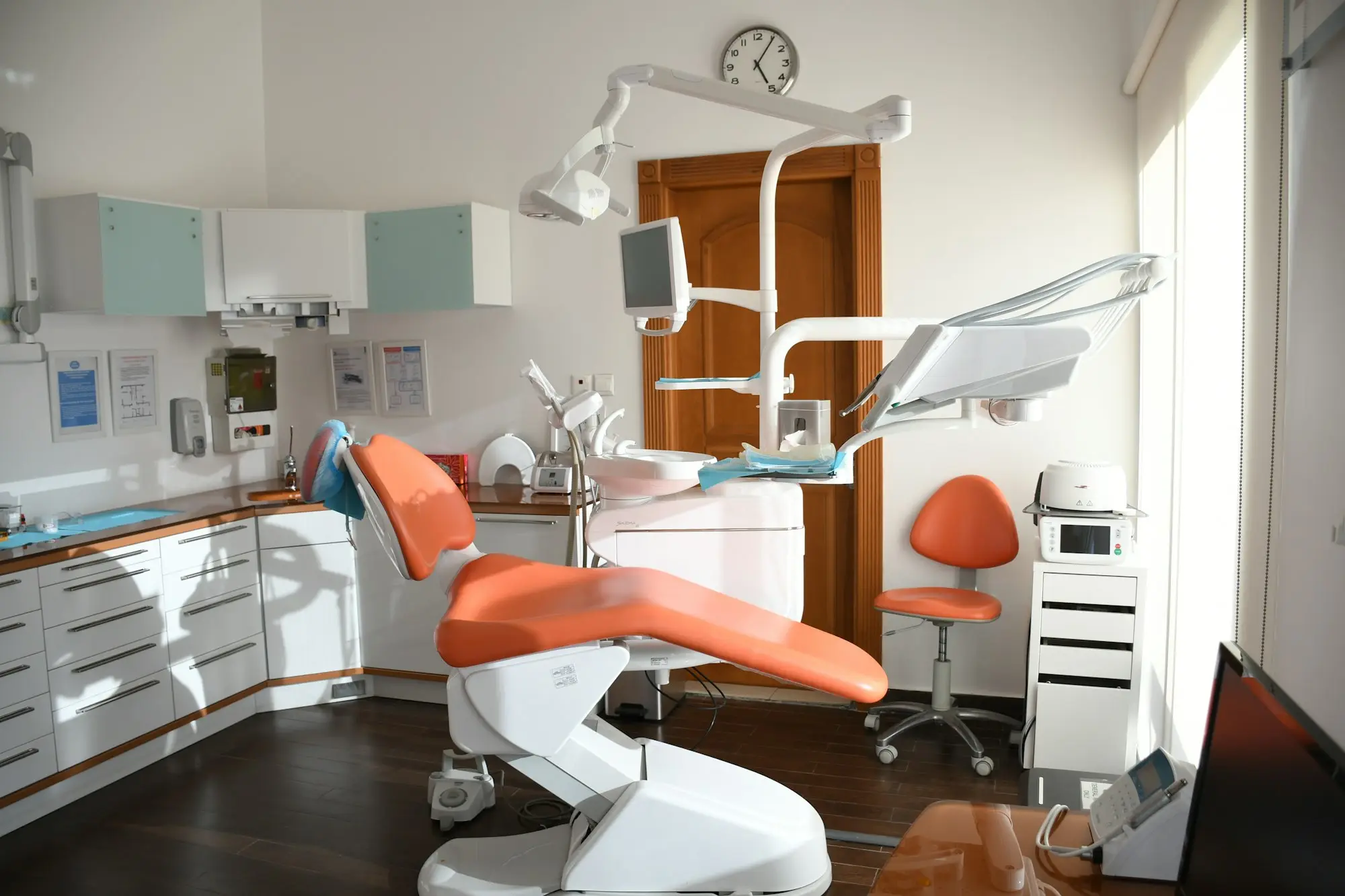
A chair on a showroom floor and a working surgery are two very different numbers. A full room usually involves:
| Item | Typical funding route |
|---|---|
| Chair, delivery unit, operating light | Equipment finance (chattel mortgage or lease) |
| Intraoral X-ray, sensor, curing light, handpieces | Equipment finance, often on the same contract |
| Cabinetry and joinery | Fit-out finance, business loan or cash |
| Plumbing, suction, compressed air, drainage | Fit-out finance, business loan or cash |
| Electrical and data cabling | Fit-out finance, business loan or cash |
| Room shielding for the X-ray, if needed | Fit-out finance, business loan or cash |
| Computer, screen and practice software seat | Equipment finance or cash |
Equipment lenders like items they can identify, remove and resell. Anything that becomes part of the building is harder for them to recover, so it’s often left off the contract. Our fit-out finance page explains how those works are usually funded, and equipment finance covers the chair side.
Who will sit in the chair?
This is the question lenders and accountants both ask first, and it’s the one owners most often skip.
A chair earns nothing on its own. It earns when a dentist, oral health therapist or hygienist is booked into it. Before you order:
- Confirm the clinician. Is the associate signed? Is the new hygienist’s start date fixed? Have you checked their registration on the Ahpra public register?
- Check the demand. How far ahead are your existing clinicians booked? How many new-patient enquiries are you turning away or delaying?
- Plan the hours. Will the chair run five days a week from the start, or two days building up to five?
- Support staff. Another chair often needs another dental assistant, and more sterilising capacity.
A lender reading your application wants the same story: the chair is going in because the demand is already there, and someone is ready to meet it.
How do lenders assess a dental chair purchase?
For an established practice, a chair is one of the more straightforward equipment deals. Dental chairs come from recognised manufacturers, there’s an active market for used ones, and dental practices generally show steady, diversified income.
Lenders typically look at:
- Practice billings and bank statements. Do they comfortably cover existing commitments plus the new repayment?
- Trading history and structure. How long the practice has operated, and which entity is buying.
- The quote. A new chair from an established supplier is easy to value. A refurbished chair may need a service history.
- The lease. Enough remaining term on the premises to justify the room works.
- Credit and existing finance. Other equipment contracts, the practice loan, and any tax arrears.
The government’s business loan guide makes the same general point: lenders want to see you can afford the repayment, so work out the maximum you can carry before you start.
Before you sign, search the Australian Register of Therapeutic Goods for the chair model or ask the supplier for its ARTG entry. It’s a quick check that saves a lot of trouble.
If your practice is already turning patients away, tell us about the room you want to add. It takes about a minute, and we’ll look at the chair and the fit-out together.
How do you test whether the surgery will pay?
Build a simple monthly model. Keep it honest and keep it cautious.
Income side: the number of extra appointment hours the room will actually be used in a typical month, multiplied by the average fees those hours generate, less the clinician’s share if they’re paid on a percentage of collections.
Cost side: equipment finance repayments, fit-out repayments, the dental assistant’s wages, consumables, lab fees, extra sterilising, servicing and a share of rent and power.
Then run it three ways: a slow first six months, a realistic steady state and a busy year. If the slow version covers the costs, you’re on firm ground.
Illustrative example. A four-chair suburban practice has a hygienist booked eight weeks ahead and a second associate starting in the new year. The owner wants a fifth surgery in an unused storeroom.
The chair, delivery unit, light, intraoral X-ray and handpieces come to about $85k. Cabinetry, plumbing, suction and electrical work add roughly $45k. The practice puts the equipment on a chattel mortgage secured over the chair package. The room works go on a separate unsecured business loan sized on twelve months of bank statements, with a shorter term so it’s cleared quickly.
The owner models the first six months with the new chair running three days a week, rising to five once the associate’s book builds. Even at three days, the extra billings cover both repayments and the assistant’s wages. Anything above that becomes profit, and the hygienist’s waiting list starts to shrink in the first month.
Lease or own the chair?
Owners often ask which is “better”. It depends on how long the chair will stay.
- Own it (chattel mortgage) if you expect to keep the chair for most of its working life. You hold the title from day one and the lender takes security over it.
- Lease it if you prefer to upgrade on a cycle, or want the option to hand it back at the end. You’ll pay for the use of the chair, with a residual or return at the end of the term.
Tax treatment differs between the two, so have your accountant compare them. On the ATO’s instant asset write-off page, the limit for eligible small businesses in 2025–26 is listed as $20,000 per asset, which most new chairs exceed, so depreciation over time is the usual outcome. Check the current year’s rules before you rely on any write-off.
Practices adding several rooms at once, or buying into a new site, sometimes find a single property-secured business loan simpler. Those loans run from $20k to $5m against residential or commercial property and can cover the chairs, fit-out and working capital in one facility. See our dental practice finance page for how lenders view the industry, and our guide to CBCT scanner finance if imaging is next on the list.
What paperwork should you gather?
- Supplier quotes, with the chair package and room works listed separately
- Two years of financial statements and tax returns, if you have them
- Six to twelve months of business bank statements
- Your premises lease and any option to renew
- The incoming clinician’s agreement or start date
- A short note on current waiting times and how the new chair will be used
- A list of existing finance contracts and balances
Got the patients, just short a chair?
A full appointment book is a good problem. The right funding turns it into a fifth surgery without draining the practice account or holding up the fit-out.
Our enquiry takes about 60 seconds and involves no credit check when you first enquire. We don’t hand your details to dozens of lenders, so you won’t be fielding calls from people you’ve never heard of. Instead, a real person reviews your practice and calls you to talk through the chair, the room and the timing. Please fill the form in accurately, including the total project cost, so we can match the right option first time.
Frequently asked questions
Can I finance a dental chair with no deposit?
Many equipment lenders will fund the full price of a new chair from an established supplier for a practice with solid billings, without a deposit. Newer practices, used chairs or very large packages may need a deposit or extra security.
Is it better to buy a new or refurbished dental chair?
Refurbished chairs cost less upfront and suit a lower-volume room, but lenders usually offer shorter terms on them and may ask for a service history. New chairs carry warranties and are easier to finance. The right choice depends on how hard the room will work.
Can the plumbing and cabinetry go on the same finance as the chair?
Sometimes the supplier bundles installation into the quote, and some lenders will include it. Cabinetry, plumbing, suction and electrical works that become part of the building are often excluded from equipment finance, so practices fund them through a fit-out facility, a business loan or cash.
How do I know if my practice is busy enough for another chair?
Look at your appointment book. Long wait times for new patients, hygienists booked out weeks ahead and dentists turning away emergency appointments are good signs. If your current chairs sit empty for parts of the week, fix the scheduling first.
Can I claim a dental chair under the instant asset write-off?
Only if the chair's cost is under the limit that applies to your income year. The ATO lists a $20,000 limit per asset for eligible small businesses in 2025–26, and most new chairs cost more, so they're usually depreciated over time. Ask your accountant how it applies to you.