Quick answer
Finance for a business start-up is possible without trading history, but what a lender funds depends on your industry. Start-up tradies with a licence and a ute are usually easiest to fund, because the vehicle and tools hold resale value. Cafés and fit-outs are harder, since fit-outs have little resale value. Clinics lean on registration and where the income comes from. Property security widens the options in every industry.
Key points
- With no trading history, lenders judge you on your industry, your experience and what the money buys, not on past turnover.
- Assets that resell well (vehicles, tools, medical gear) are easier to fund than fit-outs and stock.
- A licence or registration you already hold is worth more to a lender than a polished business plan.
- Unsecured loans are sized on turnover, so a brand-new business usually needs equipment finance or property security instead.
- Match the request to the industry: ask for what the lender can see the value of.
If you’re starting a business with no trading history, lenders can still fund you, but what they’ll fund depends heavily on your industry. A licensed tradie buying a ute and tools, a café owner signing a lease and a practitioner opening a clinic all look very different on paper, because the resale value of what you’re buying and the way you’ll be paid are different.
That’s the part most start-up funding lists skip. They tell you about grants and savings. They don’t tell you how a lender actually reads your industry.
Who usually qualifies for start-up finance?
Start-up finance is easiest to get when you bring experience in the field, a clear asset to buy and some security or a deposit. There is no single test, but these are the things lenders usually look for:
- Experience: years working in the trade or profession you’re now going out on your own in.
- Licences and registrations: current, in your own name, and relevant to the work.
- A defined purchase: a vehicle, equipment or fit-out with a quote, rather than “working capital”.
- Some of your own money in: a deposit or contribution, even a modest one.
- Security: an asset, or property, that the lender can rely on if trading is slow at first.
- Clean paperwork: an ABN, a business structure and personal ID and bank statements that match what you tell us.
You don’t need all six. A tradie with ten years’ experience and a licence can get by with fewer than a first-time café owner.
Why does industry matter when there’s no track record?
With no turnover to look at, a lender falls back on two things: how likely your type of business is to survive, and what’s left if it doesn’t. Industry drives both.
The ABS reports 460,461 business entries and 375,331 exits in 2025-26, an entry rate of 16.9% against an exit rate of 13.8%, so Australia’s business population keeps churning. Lenders know that new businesses fail more often than established ones, and that some industries do worse than others.
ASIC’s last full annual release shows how uneven that is: in 2023-24, construction made up 27% of company insolvencies and accommodation and food services 15%, with other services at 9%. That doesn’t mean construction start-ups can’t borrow. It means a lender will look harder at how you’re managing payment risk.
How does a lender see a start-up tradie?
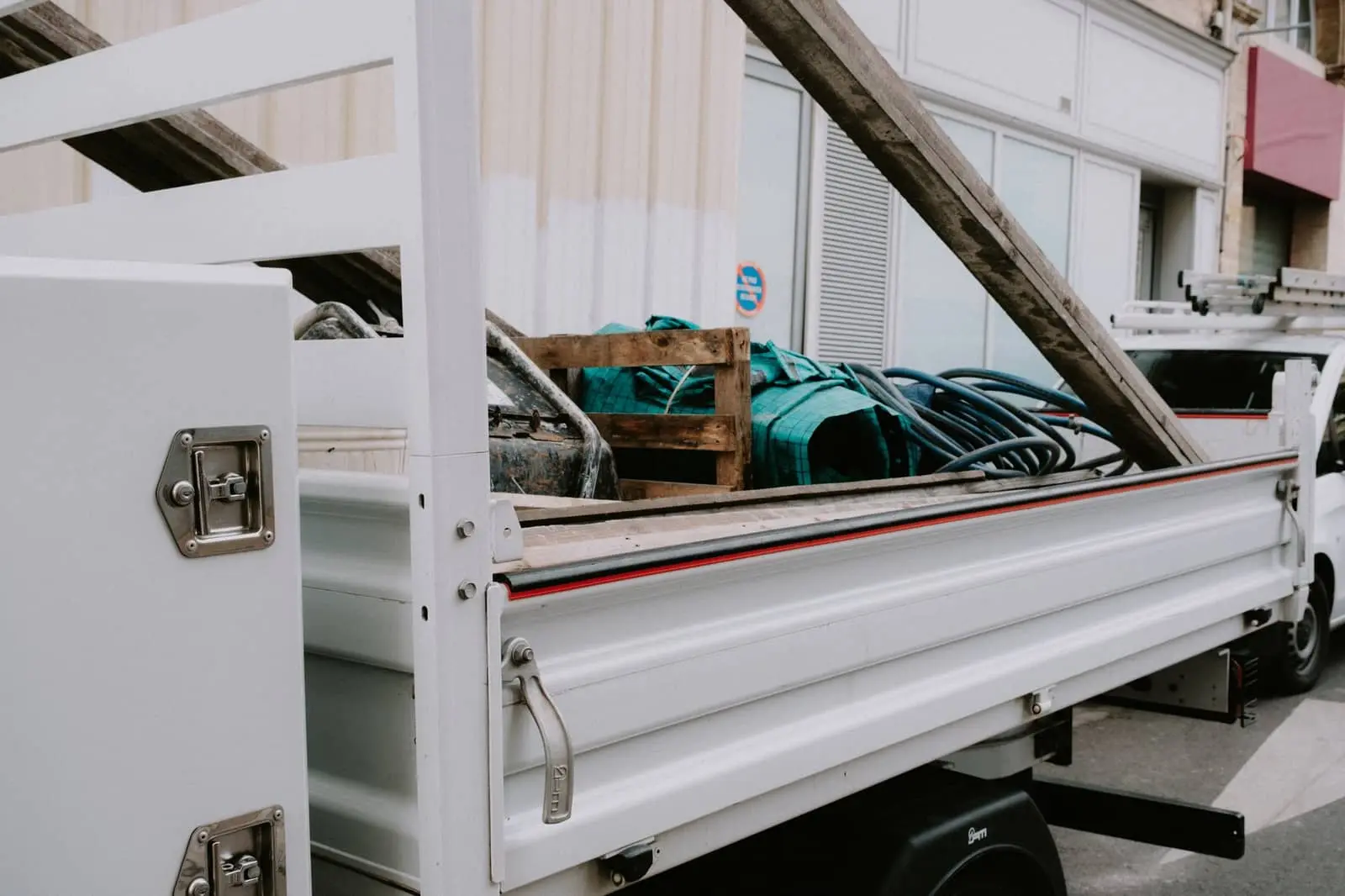
A start-up tradie is usually seen as one of the more fundable start-ups, if they hold the licence and have worked in the trade. The vehicle and tools resell, the licence shows competence, and the work is booked job by job.
What a lender wants to see:
- A current licence in your name, and insurance if the job requires it. Check what applies through ABLIS on business.gov.au.
- A quote for the ute, van, trailer or tools. Our vehicle finance page covers how that works, and equipment finance covers the rest.
- Proof of work coming in: a builder who will subcontract you, a signed first job, or a list of past clients.
- How you’ll handle slow payers. Construction-type work is often paid late. Saying how you’ll manage that tells a lender you’ve thought about it.
The usual trap is asking for general “working capital” with nothing to point to. Ask for the ute and the tools instead.
Our electrician page shows how this looks for one licensed trade.
How does a lender see a new café or restaurant?
A new café is one of the harder start-ups to fund, because most of the spend goes on things a lender can’t resell: fit-out, signage, fixtures and stock. Hospitality is also among the industries with higher insolvency numbers, which makes lenders cautious.
What helps:
| What you’re buying | How a lender sees it | What to show |
|---|---|---|
| Espresso machine, coolroom, ovens | Reasonable resale, can be financed as equipment | Supplier quotes, serial numbers |
| Fit-out, joinery, signage | Little or no resale value | Fixed-price builder quote, lease terms |
| Stock and opening costs | Spent quickly | A sensible cash buffer in your plan |
| Lease | Lender’s real risk | Lease length, rent against expected sales |
Experience matters most here. Time as a head chef, a café manager or a venue operator is the strongest evidence you can bring, along with a lease that your forecast sales can comfortably cover. Many first-time owners find a property-secured loan is the practical way to fund a fit-out that would otherwise be hard to finance. See the café page for the detail.
How does a lender see a new clinic or health practice?
A clinic start-up is read mainly through the practitioner’s registration and where the income will come from. Registration is a strong signal, but income sources vary: private fees arrive as patients pay, while Medicare and other funded income follow their own timing.
Lenders will ask:
- Are you registered, and with which board or body?
- Will you own the practice, rent rooms or contract to an existing centre?
- What’s the mix of private, Medicare and other income, and what’s the timing?
- Which equipment is a must-have on day one?
The ABS says Health Care and Social Assistance grew 6.7% in 2025-26 to 227,702 businesses, the largest increase of any industry. That’s a busy field, so a lender will want to know what your edge is: a location with unmet demand, an existing patient base or a referral relationship. Portable and specialist gear is easier to finance than fit-out; our medical equipment and medical centre pages explain the options.
What about other industries, like retail, e-commerce or services?
Retail and online start-ups are judged on stock and demand, and service businesses on contracts and repeat clients. Stock is usually harder to borrow against than equipment, and online sales history of a few months helps more than any forecast. Service start-ups, such as cleaning or consulting, have little to secure a loan against, so lenders lean on contracts you’ve already signed and your background.
If you’re not sure where your industry sits, the industry finder gives a quick view of what lenders typically look at.
Which kind of finance fits a business with no trading history?
For a brand-new business, secured and asset-based finance is generally more available than unsecured. The three most realistic options:
- Equipment or vehicle finance: the asset is the security, so your trading history matters less.
- Property-secured loans: security over residential or commercial property, from $20k to $5m.
- Unsecured or cash-flow loans: typically $20k to $500k, but sized on turnover and bank statements, so they usually open up after you’ve been trading for a while.
Whichever route you choose, borrow for something the business needs and that you can show a use for. Our guides on leaving a job to start a business and buying a business with no industry experience go deeper on two common starting points, and the new business loans page covers the products.
Not sure which route fits you? Tell us about the business you’re setting up and we’ll look at it with your industry in mind.
What should you do before you apply?
Sort the paperwork first, because the first impression matters when there’s no history to fall back on.
- Register your ABN and decide on a structure.
- Get licences and registrations in order, and check what lenders check.
- Get written quotes for what you’re buying.
- Gather ID, a few months of personal bank statements and proof of any experience.
- Write one page: what you do, who pays you, what the money buys, and how you’ll repay it.
- Be honest about any credit issues; they are looked at case by case, and surprises cost more than the issue itself.
Ready to find out where you stand?
Starting out is the moment most owners wonder whether anyone will back them. The answer often turns on your industry and what you’re buying, and that’s something a real person can read in a few minutes.
Enquiring takes about 60 seconds, and your credit file isn’t touched just for asking. We don’t send your details to a pile of lenders, so your phone won’t light up with strangers. A real person looks at your situation and calls you. Please fill in the form accurately, as that helps us match you to the right option first time.
Opening a business with no history? Check where you stand →
Ready when you are
Check your options in about 60 seconds
A few quick questions. Asking won't touch your credit file, your details aren't sent to a pile of lenders, and a real person reads every enquiry.
Frequently asked questions
Can I get a business loan with a brand-new ABN?
Sometimes, but not usually an unsecured one. Unsecured and cash-flow loans are sized on turnover and bank statements, which a new ABN doesn't have yet. Equipment or vehicle finance secured on the asset, or a loan secured by property, are the more realistic routes.
Which start-up industries are easiest to fund?
Those where the asset holds its value and the income is easy to understand. A licensed tradie buying a ute and tools, or a practitioner buying portable equipment, is generally simpler than a café with a custom fit-out, where much of the spend can't be resold.
Does my past work experience count?
Yes, heavily. With no business history, a lender looks at your track record in the trade or profession. Years as an employed electrician, chef or practice manager helps show you can run the work, and payslips or references back it up.
What's the minimum a start-up business can borrow?
Business loans on this site start at $20,000. Unsecured options are typically $20,000 to $500,000, and property-secured loans run from $20,000 to $5,000,000. What you can actually borrow depends on your situation.
Should I wait until I have trading history?
Not necessarily. Waiting makes unsecured options more available, but if the funding is for equipment or a vehicle you need to earn, secured finance can work from day one. Time spent trading does widen your choices.
Can I use my home to fund a start-up?
Property can be used as security for a business loan, which shifts the lender's focus from your trading record to the property. It is a serious decision, so be clear on repayments before you proceed.
Will asking about start-up finance affect my credit score?
Not if you simply enquire. A short enquiry with us doesn't involve a credit check; that only comes up if you decide to go ahead.