Quick answer
Converting a commercial kitchen from gas to electric usually means new induction cooktops, electric combi or convection ovens and fryers, plus a switchboard or power supply upgrade that's easy to underestimate. The appliances can generally be funded with green or equipment finance secured over them. Electrical works, exhaust changes and gas decommissioning are fit-out costs, often covered by an unsecured or property-secured business loan.
Key points
- The power supply upgrade is the cost most kitchens underestimate; get an electrician's assessment first.
- Induction cooktops, electric combi ovens and fryers are financeable as equipment.
- Wiring, switchboards and gas decommissioning are fit-out costs that need a different source of funding.
- In Victoria, new gas connections now carry their full up-front cost, which changes the maths for new venues.
- Phase the switch around quiet trading periods and keep some gas capacity until staff are confident.
A gas-to-electric kitchen conversion means new induction cooktops, electric ovens and fryers, and very often a bigger power supply. The appliances can usually go on green or equipment finance secured over them. The electrical upgrade, exhaust changes and gas decommissioning are building works, so they’re typically funded separately with an unsecured or property-secured business loan. Scope the power first.
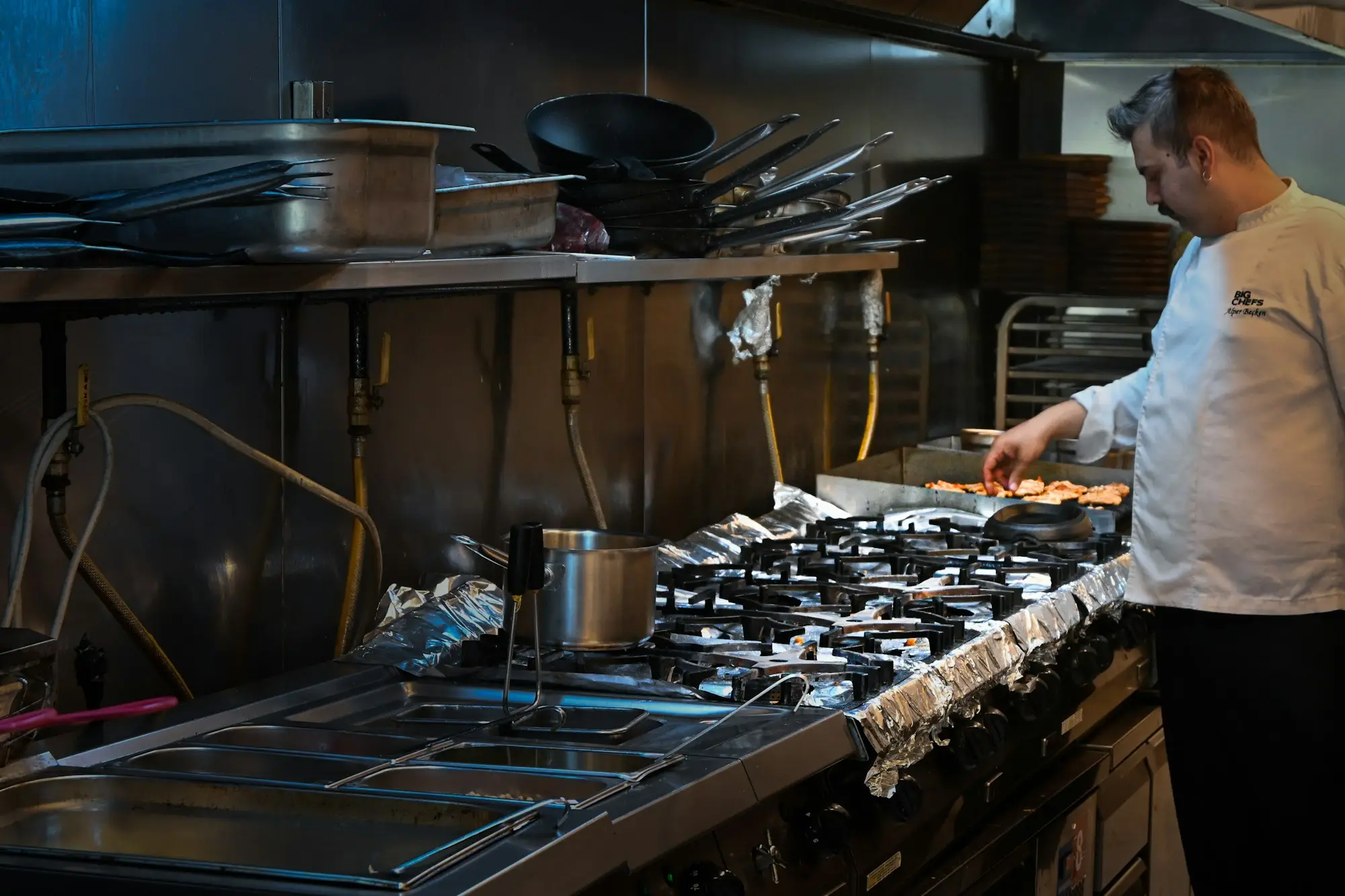
For decades, a professional kitchen meant gas. That’s changing. Some chefs are moving to induction for a cooler, cleaner line; some owners are reacting to gas prices or new rules; and new venues are finding that a gas connection isn’t the automatic, cheap starting point it used to be. Whatever’s driving it, the switch is a bigger project than swapping a cooktop, and the finance works best when it’s planned around the whole job. Our page on green finance covers efficiency upgrades in general.
Why are more kitchens going electric?
Reasons vary, but a few come up again and again:
- Working conditions. Induction puts heat into the pan rather than the room, so the line is cooler and staff are more comfortable through a long service.
- Cleaning and safety. Flat surfaces, no open flame and no pilot lights.
- Cost of new gas connections. In Victoria, the government’s gas substitution roadmap says that from 1 January 2025 customers pay the full up-front cost of a new gas connection, and gas distributors can no longer offer inducements to connect. For a new venue, that changes the starting maths.
- Future rules. The same roadmap flags phased building electrification regulations from 1 January 2027. How they apply to commercial kitchens depends on the final detail, so watch for updates in your state.
- Incentives. The roadmap also notes that Victorian Energy Upgrades has been expanded to include induction cooktops. Ask an accredited provider what currently applies to commercial equipment.
What does a conversion actually involve?
| Part of the job | Typical funding route |
|---|---|
| Induction cooktops and woks | Green or equipment finance |
| Electric combi or convection ovens | Green or equipment finance |
| Electric fryers, chargrills, salamanders | Green or equipment finance |
| Switchboard upgrade and new circuits | Fit-out finance, unsecured loan or cash |
| Network supply upgrade (if needed) | Unsecured loan or cash |
| Exhaust canopy changes | Fit-out finance, unsecured loan or cash |
| Gas disconnection and capping | Cash or unsecured loan |
| Cookware suited to induction | Cash |
The line most kitchens underestimate is power. A full electric line can draw far more than the existing supply was designed for. An electrician’s load assessment is the first step, because it may reveal that the switchboard, the circuits or even the connection from the street needs an upgrade. That can change the budget more than the appliances do.
Ventilation is the other item worth checking early. Removing open flames changes how much heat and combustion by-product the canopy has to deal with, but cooking still produces grease and steam, so the exhaust system stays. Ask your mechanical contractor whether the existing canopy and fans suit the new line-up, or whether changes are needed. Sorting that in the same visit avoids paying two contractors to open the ceiling twice.
Finally, get the gas side quoted properly. Disconnecting and capping gas lines must be done by a licensed gasfitter, and the work needs to be scheduled around the electrical changeover so the kitchen isn’t left without either.
How do lenders view electric kitchen equipment?
Commercial induction units, electric combi ovens and fryers from established suppliers are well-understood assets with an active resale market, which suits equipment finance. Some lenders offer green asset finance for eligible energy-efficient equipment, sometimes on sharper terms than standard contracts.
What lenders look at is familiar to any hospitality owner:
- Banked takings over recent months, showing the venue can carry the repayment.
- Trading history, with newer venues sometimes asked for extra security.
- The supplier quote, itemised so equipment, installation and electrical works are clearly separated.
- The lease, with enough term left to justify the investment and landlord consent for the electrical work.
- Existing commitments, including any other equipment contracts.
The government’s guidance on applying for a business loan suggests working out the most you can afford to repay before you start. For a conversion, include any change in your monthly energy costs in that sum.
For the electrical and building side, unsecured business loans generally range from $5k up to $500k based on turnover and bank statements, while venues with property can use a business loan secured over residential or commercial real estate, from $20k to $5m, to fund the whole conversion at once. See fit-out finance for how building works are usually handled.
If you’ve already had an electrician look at the switchboard, tell us about your kitchen and we’ll help you split the project sensibly.
Should you switch all at once or in stages?
Both approaches work, and each has trade-offs.
All at once suits a planned closure, such as a refit, a change of owner or a seasonal shutdown. One electrical upgrade, one round of training, and the gas can be capped straight away.
In stages suits venues that can’t close. A common pattern is to put in induction for the sauté and wok sections first, keep gas on the ovens and chargrill for a while, and replace those once the team is confident and the power supply has been upgraded. The catch is that you keep paying gas supply charges until the last appliance goes.
Either way, plan the training. Chefs used to flame need time to adjust to induction’s speed and to pans that must suit the cooktop.
Illustrative example
Illustrative. A busy suburban Vietnamese restaurant in Melbourne is renewing its lease and planning a two-week refit over the January quiet period. The head chef wants induction woks and the owner is tired of the heat on the line in summer.
The electrician’s assessment shows the switchboard needs upgrading and two new heavy circuits, quoted at $22k. The equipment supplier quotes $58k for two induction wok stations, a six-zone induction range, an electric combi oven and two electric fryers, installed.
The owner puts the $58k of equipment on a chattel mortgage secured over the new appliances. The $22k electrical work and the gas decommissioning go on an unsecured business loan sized on twelve months of takings. The refit runs to plan, the gas is capped, and the kitchen reopens with a cooler line and one less utility bill.
How do tax and timing fit together?
The appliances are business assets that are generally depreciated, and some individual items may fall under the ATO’s instant asset write-off threshold, set at $20,000 per asset for eligible small businesses in 2025–26. Electrical works may be treated differently from equipment. Your accountant can tell you how to split the project for tax and whether the threshold has changed for the current year.
Timing matters as much as tax. Book the work into your quietest weeks, order equipment well ahead, and confirm the electrician and the network have both scheduled their parts before you set a reopening date. Our pages on hospitality equipment finance and restaurant business loans cover more on how lenders see venues like yours.
Ready to take the kitchen electric?
Moving off gas is a big decision for any kitchen, and the funding shouldn’t be the part that holds you back. We’ll look at the appliances, the power upgrade and your trading together, so the whole job is covered and you’re not caught short halfway through the refit.
It takes about a minute to send an enquiry, with no credit check at that first step. Nothing gets farmed out to a long list of lenders, so you won’t be chasing missed calls between services. A real person goes through your quotes and calls you to talk it over. Please fill the form in accurately, including the electrical quote if you have one, so we can line up the right option from the start.
Frequently asked questions
Is induction powerful enough for a busy commercial kitchen?
Commercial induction is widely used in busy kitchens, including for woks and high-heat cooking, but it needs the right units and enough electrical capacity. Many chefs trial a unit alongside gas before committing. Talk to an equipment supplier about matching output to your menu.
Can I finance the electrical upgrade along with the induction equipment?
Sometimes, if the supplier's invoice includes installation. Switchboard upgrades, new circuits and supply upgrades from the network are usually treated as building works, so equipment lenders often exclude them. An unsecured business loan sized on turnover is a common way to cover them.
Do I have to switch my restaurant off gas?
Rules differ by state and by whether premises are new or existing. In Victoria, for example, new gas connections now carry their full up-front cost, and the state's roadmap flags phased building electrification regulations from 2027. Check the current rules for your location and premises before making plans.
Are there rebates for commercial induction cooktops?
Victoria's gas substitution roadmap says the Victorian Energy Upgrades program has been expanded to include induction cooktops. Eligibility, products and discount amounts change, so ask an accredited provider what currently applies to commercial kitchens in your state.
Will an electric kitchen cost more to run?
It depends on your gas and electricity tariffs, your menu and how efficiently the kitchen is run. Induction puts heat directly into the pan, which can reduce wasted heat and make the kitchen cooler to work in. Ask your supplier and energy retailer to model your actual usage.